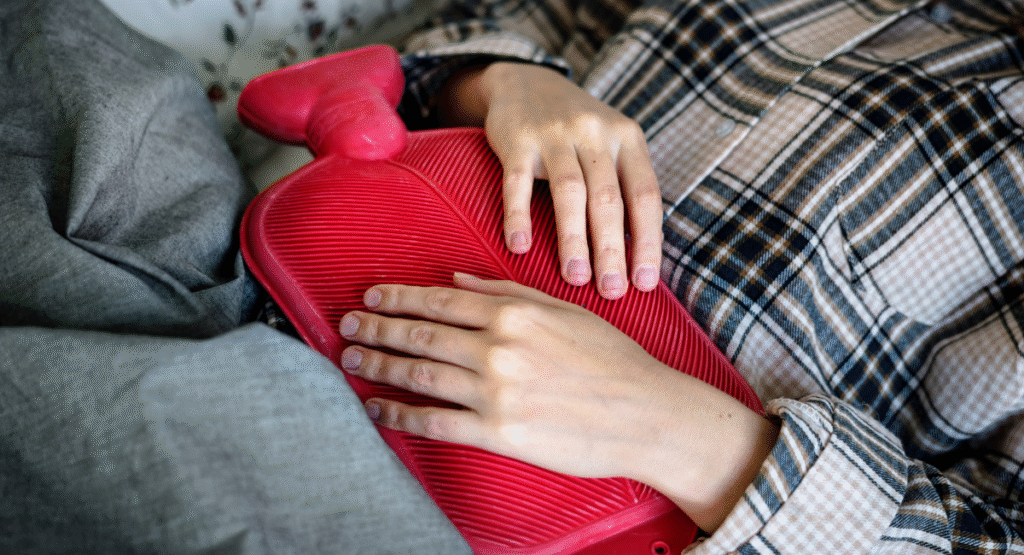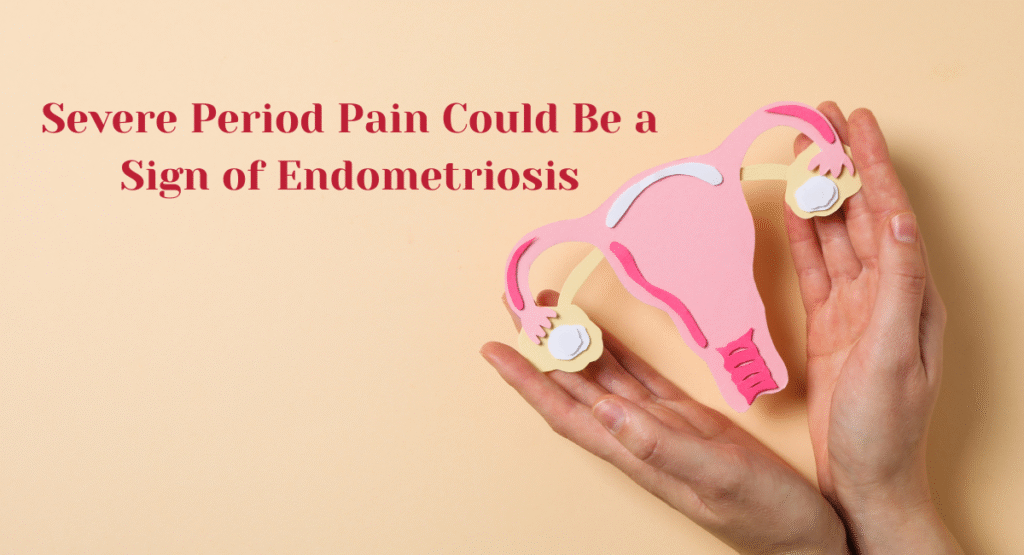
Many women experience cramps during their periods, and in most cases, mild discomfort is considered a normal part of the menstrual cycle. However, when the pain becomes extremely intense and affects daily activities, it may be more than just regular cramps. Severe period pain can sometimes be a warning sign of a medical condition known as endometriosis. In such cases, consulting the best gynae in indore can help identify the underlying cause and guide you toward the right treatment.
Endometriosis is a common yet often misunderstood gynecological condition that affects millions of women worldwide. Unfortunately, many women ignore the symptoms for years, assuming that painful periods are normal. Understanding the signs and seeking timely medical care can help in early diagnosis and proper treatment.
What Is Endometriosis?
Endometriosis occurs when tissue similar to the lining of the uterus grows outside the uterus. This tissue may develop on the ovaries, fallopian tubes, pelvic lining, or other nearby organs.
Just like the uterine lining, this tissue responds to hormonal changes during the menstrual cycle. It thickens, breaks down, and bleeds during periods. However, since this tissue is located outside the uterus, the blood cannot exit the body normally. This leads to inflammation, swelling, and intense pelvic pain.
Over time, endometriosis can also cause scar tissue, adhesions, and fertility complications if left untreated.
Why Does Endometriosis Cause Severe Period Pain?
The pain caused by endometriosis is often much stronger than normal menstrual cramps. This happens because the misplaced endometrial tissue becomes inflamed and irritates surrounding organs.
Some women describe the pain as sharp, stabbing, or deep pelvic discomfort that worsens during menstruation. In many cases, the pain begins a few days before the period starts and continues throughout the cycle.
If severe cramps occur every month and become progressively worse, it is important to consult the best gynae in indore to rule out endometriosis or other reproductive health conditions.
Common Symptoms of Endometriosis
While severe menstrual pain is one of the most common symptoms, endometriosis can cause several other signs as well.
Women with endometriosis may experience:
• Intense menstrual cramps
• Chronic pelvic pain
• Heavy or irregular periods
• Pain during intercourse
• Pain during bowel movements or urination
• Fatigue and low energy
• Difficulty getting pregnant
It is important to note that the severity of symptoms can vary from woman to woman. Some women may have severe pain, while others may experience only mild discomfort but still have the condition.
Causes and Risk Factors
The exact cause of endometriosis is still not completely understood. However, several factors may increase the risk of developing the condition.
Possible causes include:
Retrograde Menstruation: Menstrual blood flows backward into the pelvic cavity instead of leaving the body.
Genetic Factors: Women with a family history of endometriosis may have a higher risk.
Hormonal Imbalance: Estrogen hormone may play a role in the growth of endometrial tissue outside the uterus.
Immune System Issues: A weakened immune system may fail to destroy misplaced endometrial cells.
Because endometriosis can affect long-term reproductive health, it is important to seek medical advice from the best gynae in indore if symptoms persist.
How Is Endometriosis Diagnosed?
Diagnosing endometriosis can sometimes be challenging because its symptoms are similar to other gynecological conditions. A doctor may begin with a detailed discussion about symptoms and menstrual history.
Common diagnostic methods include:
Pelvic Examination: Helps identify abnormalities or tender areas in the pelvic region.
Ultrasound Scan: Used to detect cysts or structural issues in the reproductive organs.
MRI Scan: Provides more detailed images in certain cases.
Laparoscopy: A minimally invasive procedure that allows doctors to directly view endometrial tissue outside the uterus.
Early diagnosis can significantly improve treatment outcomes and help manage symptoms effectively.
Treatment Options for Endometriosis
Although endometriosis cannot always be completely cured, several treatments can help control symptoms and improve quality of life.
Pain Relief Medications
Doctors may recommend anti-inflammatory medicines to reduce menstrual cramps and pelvic pain.
Hormonal Therapy
Hormonal treatments such as birth control pills or hormone-regulating medications can help slow the growth of endometrial tissue.
Lifestyle Changes
Healthy lifestyle habits may help reduce symptoms over time.
Some helpful lifestyle practices include:
• Regular physical activity
• Maintaining a healthy weight
• Reducing stress levels
• Eating a balanced diet rich in nutrients
Surgical Treatment
In severe cases, minimally invasive surgery may be recommended to remove endometrial tissue and relieve pain. This type of procedure is usually suggested when other treatments do not provide relief.
The best gynae in indore can evaluate each patient’s condition and recommend the most suitable treatment plan.
Why Early Treatment Is Important
Ignoring severe period pain can lead to long-term complications. Endometriosis may gradually worsen if left untreated, affecting fertility and overall reproductive health.
Early treatment can help:
• Reduce chronic pelvic pain
• Prevent the spread of endometrial tissue
• Improve fertility chances
• Enhance overall quality of life
Women who seek medical care early often experience better symptom management and improved reproductive health outcomes.
When Should You See a Gynecologist?
Many women hesitate to talk about menstrual pain, but seeking medical advice is important when symptoms become severe.
You should consult the best gynae in indore if you experience:
• Extremely painful periods every month
• Pain that interferes with daily activities
• Heavy bleeding along with severe cramps
• Pelvic pain even after periods end
• Difficulty conceiving
A timely consultation can help detect underlying conditions and prevent complications.
Final Thoughts
Severe period pain should never be ignored or accepted as a normal part of menstruation. While mild cramps are common, intense pain that disrupts daily life may indicate a condition like endometriosis.
Understanding the symptoms and seeking early medical care can make a significant difference in managing the condition effectively. If you or someone you know experiences persistent menstrual pain, it is important to consult the best gynae in indore for proper diagnosis and personalized treatment.
Taking care of your reproductive health today can help ensure a healthier and more comfortable future.