For many women, periods come with mild cramps, fatigue, or slight discomfort. These symptoms are often considered a normal part of the menstrual cycle. However, when the pain becomes severe enough to interfere with daily activities, work, or sleep, it may be a sign that something more serious is happening inside the body.
Many women ignore intense menstrual pain, believing that painful periods are simply something they must tolerate every month. But persistent or worsening pain during menstruation should never be ignored. Consulting the best gyno doctor in indore can help determine whether the pain is normal or linked to an underlying gynecological condition.
Understanding when period pain is abnormal is important for protecting long-term reproductive health.
Understanding Normal Period Pain
Menstrual cramps, medically known as dysmenorrhea, occur when the uterus contracts to shed its lining during menstruation. These contractions are triggered by hormone-like chemicals called prostaglandins.
When prostaglandin levels are high, the uterine muscles contract more strongly, leading to cramps in the lower abdomen. Mild to moderate pain during the first one or two days of a period is usually considered normal.
Common symptoms of normal period pain include:
• Mild lower abdominal cramps
• Slight back pain
• Temporary fatigue
• Mild nausea in some cases
These symptoms usually improve with rest, heat therapy, hydration, or mild pain relievers.
However, when the pain becomes intense or lasts longer than usual, it may signal a deeper health issue that requires medical attention.
Signs Your Period Pain May Be Abnormal
While many women experience cramps, certain symptoms indicate that menstrual pain may not be normal.
You should pay attention if you experience:
• Severe pain that prevents normal daily activities
• Pain that lasts longer than three days
• Heavy bleeding along with strong cramps
• Dizziness, nausea, or vomiting during periods
• Pain that gets worse every month
• Pain during intercourse or bowel movements
If these symptoms occur regularly, it is important to consult the best gyno doctor in indore for proper evaluation and treatment.
Possible Causes of Severe Period Pain
Severe menstrual pain can be caused by several gynecological conditions. Identifying the exact cause is essential for effective treatment.
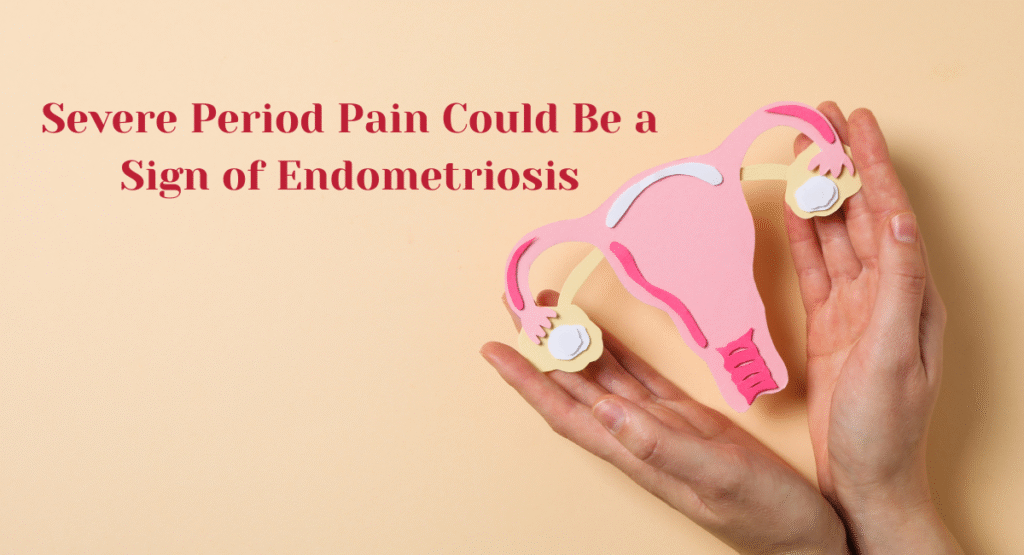
Endometriosis
Endometriosis occurs when tissue similar to the uterine lining grows outside the uterus. This misplaced tissue can cause inflammation, severe cramps, and pelvic pain during periods.
Women with endometriosis often experience pain that starts before menstruation begins and continues even after the period ends.
Uterine Fibroids
Fibroids are non-cancerous growths that develop in the uterus. While many fibroids cause no symptoms, larger ones may lead to heavy bleeding, pelvic pressure, and severe menstrual cramps.
Regular gynecological checkups can help detect fibroids early and prevent complications.
Adenomyosis
Adenomyosis happens when the inner lining of the uterus grows into the muscular wall of the uterus. This condition can cause heavy bleeding and extremely painful periods.
Women with adenomyosis may also feel a constant pressure in the pelvic area during menstruation.
Pelvic Inflammatory Disease (PID)
Pelvic inflammatory disease is an infection of the reproductive organs. It can cause pelvic pain, irregular periods, and severe cramps if left untreated.
Prompt medical care from the best gyno doctor in indore can help treat infections early and prevent long-term complications.
Ovarian Cysts
Ovarian cysts are fluid-filled sacs that develop on the ovaries. While many cysts are harmless, larger cysts may cause pelvic pain, irregular cycles, and painful periods.
Regular monitoring by a gynecologist helps ensure that cysts do not become problematic.
When Should You See a Doctor?
Many women delay seeking medical help because they assume severe menstrual pain is normal. However, ignoring symptoms can allow underlying conditions to worsen over time.
You should consider visiting the best gyno doctor in indore if:
• Period pain becomes unbearable
• Over-the-counter pain medicines do not work
• Periods suddenly become heavier than usual
• Pain continues even after menstruation ends
• You experience unusual vaginal discharge or fever
A gynecologist may recommend diagnostic tests such as ultrasound scans, pelvic examinations, or blood tests to determine the exact cause of the pain.
Treatment Options for Severe Period Pain
The treatment for painful periods depends on the cause and severity of the condition.
Pain Management
Doctors may recommend anti-inflammatory medications to reduce prostaglandin levels and relieve cramps.
Hormonal Therapy
Hormonal treatments, such as birth control pills, can help regulate menstrual cycles and reduce pain.
Lifestyle Modifications
Certain lifestyle habits can help manage menstrual pain naturally:
• Regular exercise
• Balanced nutrition
• Stress reduction techniques
• Adequate sleep
• Limiting caffeine intake
Medical Procedures
In severe cases involving fibroids, endometriosis, or other conditions, minimally invasive procedures may be recommended by the best gyno doctor in indore to relieve symptoms and improve reproductive health.
Natural Ways to Reduce Period Pain
In addition to medical treatment, simple lifestyle practices can help reduce menstrual discomfort.
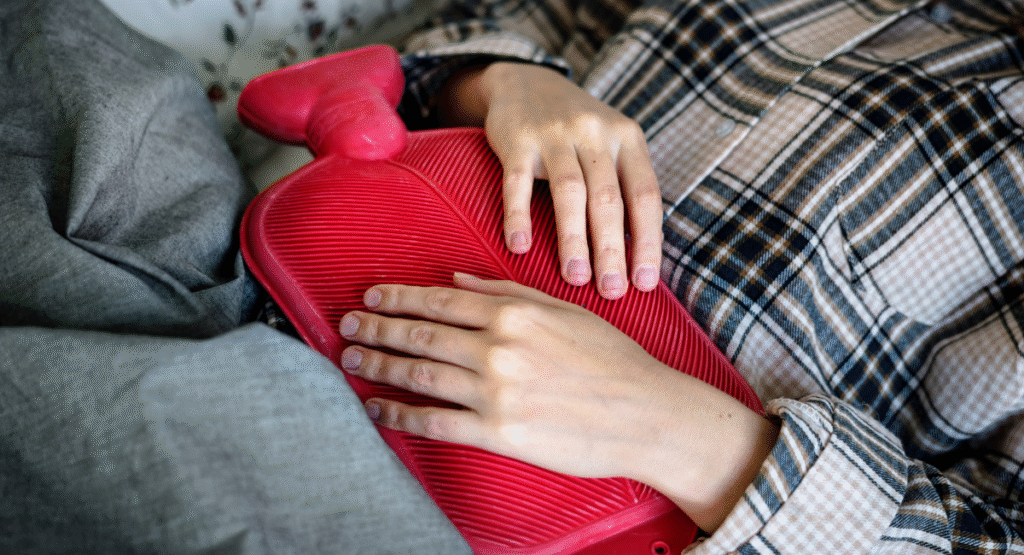
Heat Therapy: Applying a heating pad to the lower abdomen relaxes muscles and eases cramps.
Exercise: Gentle activities like walking or yoga improve blood circulation and reduce pain.
Healthy Diet: Foods rich in magnesium and omega-3 fatty acids may help reduce inflammation.
Hydration: Drinking enough water helps prevent bloating and improves overall comfort.
Stress Management: Relaxation techniques such as meditation or deep breathing can help balance hormones and reduce symptoms.
These habits may not eliminate severe pain but can support overall menstrual health.
Importance of Regular Gynecological Checkups
Regular visits to a gynecologist are essential for maintaining reproductive health. Many gynecological conditions develop gradually and may not show clear symptoms at first.
Routine checkups can help detect problems early, allowing timely treatment and preventing complications.
If menstrual pain frequently interferes with daily life, scheduling a consultation with the best gyno doctor in indore can help identify the underlying cause and provide the right treatment plan.
Final Thoughts
Periods are a natural part of a woman’s life, and mild discomfort is common during menstruation. However, severe or worsening pain should never be ignored. It may indicate conditions such as endometriosis, fibroids, or infections that require medical care.
Listening to your body and seeking professional help when symptoms become abnormal can protect your reproductive health and improve your quality of life.
If period pain is affecting your daily routine, consulting the best gyno doctor in indore can help you understand the cause and find effective solutions for a healthier, more comfortable menstrual cycle.