Postpartum & Postnatal Care: A Complete Healing Journey for New Mothers
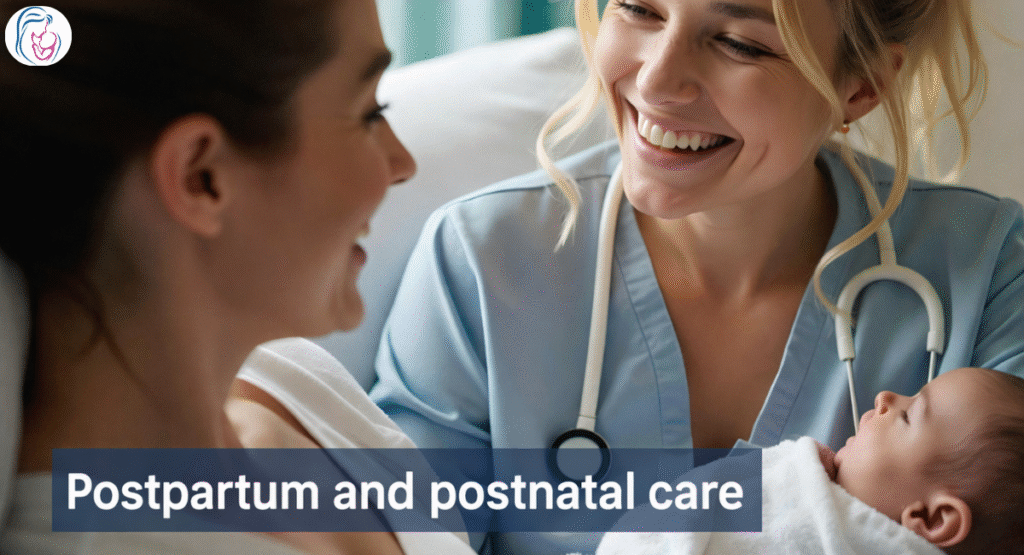
Motherhood truly begins after delivery. While pregnancy care is often given priority, the weeks and months following childbirth-called the postpartum or postnatal period—are equally crucial for a woman’s physical recovery and emotional stability. During this phase, a mother’s body heals from childbirth, hormones fluctuate significantly, and she adjusts to the responsibilities of caring for a newborn.
Many women unintentionally neglect their own health while focusing entirely on their baby. However, ignoring postnatal care can lead to delayed recovery, physical discomfort, and emotional challenges. With proper guidance from an experienced
Female Gynecologist in Indore, postpartum care becomes a supportive and empowering process that helps mothers regain strength and confidence.
This guide explains the importance of postpartum care, expected recovery timelines, medical follow-ups, emotional health, breastfeeding support, nutrition, and long-term wellness after delivery.
What Does Postpartum and Postnatal Care Mean?
Postpartum care includes the medical, physical, and emotional support a woman receives after childbirth. This phase begins immediately after delivery and may continue for several months, depending on individual healing and health conditions.
During this period, the body goes through several changes such as:
- The uterus gradually returning to its normal size
- Hormonal shifts affecting mood and energy levels
- Healing of vaginal or surgical wounds
- Emotional bonding with the newborn
Well-planned postnatal care ensures these changes occur safely while reducing the risk of complications. A compassionate Female Gynecologist in Indore not only monitors physical recovery but also supports emotional well-being during this sensitive time.
Why Postpartum Care Is So Important
Postnatal care is an essential part of maternal health, not an optional step. Regular medical supervision helps identify concerns early and promotes long-term wellness.
Benefits of proper postpartum care include:
- Faster recovery after normal or cesarean delivery
- Monitoring of bleeding, infections, and blood pressure
- Prevention of anemia and nutritional deficiencies
- Early recognition of postpartum depression
- Support with breastfeeding and lactation issues
- Guidance on contraception and future pregnancy planning
Regular follow-ups with a Female Gynecologist in Indore allow new mothers to discuss health concerns openly in a safe and understanding environment.
Common Physical Changes After Childbirth
After delivery, the body naturally begins the healing process. Knowing what to expect can help reduce anxiety and ensure timely medical care when needed.
1. Uterine Recovery
The uterus slowly contracts back to its pre-pregnancy size. Mild abdominal cramps are common, especially during breastfeeding, and are usually normal.
2. Postpartum Bleeding
Vaginal bleeding, known as lochia, can continue for two to six weeks. The flow gradually decreases and changes in color. Heavy bleeding or an unpleasant smell should be reported immediately.
3. Perineal Discomfort
Women who have had vaginal deliveries may experience soreness, swelling, or stitches. Proper hygiene, rest, and pain management support faster healing.
4. Cesarean Section Healing
Recovery after a C-section requires careful wound care, gradual movement, and pain control. Follow-up visits help prevent infections and ensure proper healing.
A qualified Female Gynecologist in Indore closely monitors these changes to ensure recovery is progressing smoothly.
How Long Does Postpartum Recovery Usually Take?
Postpartum recovery differs from one woman to another. While some mothers feel better within a few weeks, others may take several months to regain full physical and emotional strength.
General Recovery Phases:
- First 2 weeks: Rest, uterine contraction, bleeding, emotional sensitivity
- 4–6 weeks: Reduced bleeding, healing of stitches, improved mobility
- 6–12 weeks: Increased energy and physical strength
- 3–6 months: Hormonal balance and emotional stability improve
Recovery depends on:
- Type of delivery
- Overall health before pregnancy
- Nutrition and sleep quality
- Emotional and family support
- Regular medical checkups
Ongoing guidance from a Female Gynecologist in Indore helps ensure recovery stays on the right path.
When Should You Visit a Gynecologist After Delivery?
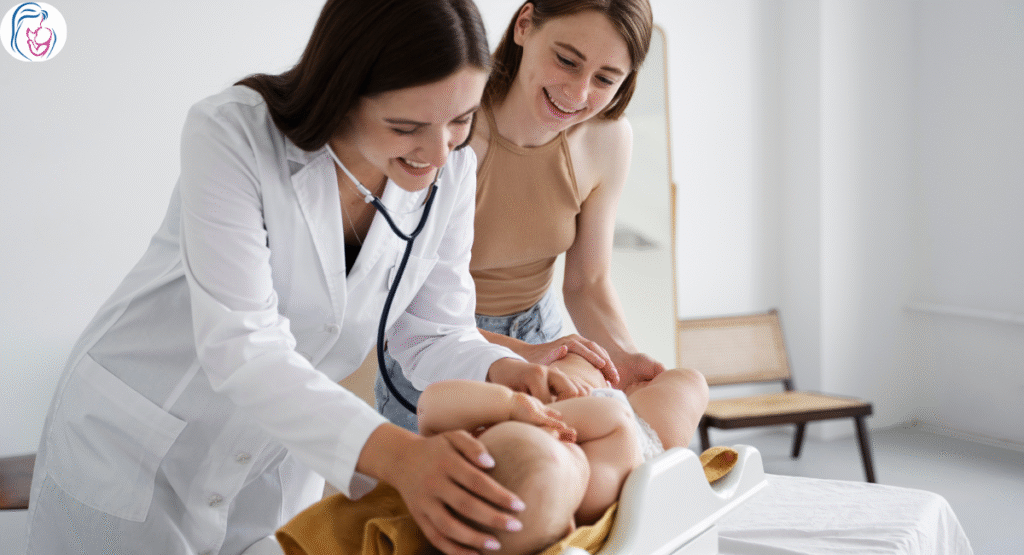
Postnatal checkups are important even if the delivery was uncomplicated. These visits help monitor healing and address concerns early.
Recommended Visit Schedule:
- Within 7–10 days: Especially important after a C-section or complicated delivery
- At 6 weeks postpartum: Routine postnatal evaluation
- Anytime: If symptoms like pain, fever, heavy bleeding, or emotional distress appear
During these visits, the doctor may:
- Check uterine and wound healing
- Monitor blood pressure and hemoglobin levels
- Discuss contraception options
- Address breastfeeding difficulties
- Screen for postpartum depression
A supportive Female Gynecologist in Indore ensures mothers feel comfortable discussing both physical and emotional concerns.
Postpartum Complications That Need Attention
While many women recover without problems, some may experience complications that require medical care.
Common concerns include:
- Excessive bleeding: May indicate postpartum hemorrhage
- Infections: Fever, foul-smelling discharge, or wound redness
- Postpartum depression: Persistent sadness or anxiety
- Urinary or bowel issues: Due to pelvic floor weakness
- Breast problems: Engorgement, blocked ducts, mastitis
Early treatment by a Female Gynecologist in Indore helps prevent these issues from becoming serious.
Emotional Well-Being After Childbirth
Postpartum recovery involves emotional healing as well. Hormonal changes, lack of sleep, and lifestyle adjustments can affect mental health.
Baby Blues
Mood swings, crying spells, and anxiety are common during the first two weeks and usually resolve on their own.
Postpartum Depression
This is a more serious condition and may include:
- Persistent low mood
- Loss of interest in daily activities
- Sleep disturbances
- Feelings of guilt or hopelessness
Professional care, counseling, and medical support play a vital role in recovery.
Breastfeeding Support in the Postnatal Period

Breastfeeding is natural but may come with challenges. Postnatal care provides guidance to make breastfeeding comfortable and effective.
Support includes:
- Correct latching techniques
- Managing breast engorgement
- Treating sore or cracked nipples
- Addressing low milk supply
- Managing infections like mastitis
Regular follow-ups help mothers overcome difficulties with confidence and comfort.
Nutrition and Healthy Lifestyle After Delivery
Good nutrition and healthy habits are essential for healing and energy restoration.
Postpartum Nutrition Tips:
- Eat iron-rich foods to prevent anemia
- Include adequate protein for tissue repair
- Stay well-hydrated to support milk production
- Consume fruits and vegetables for immunity
Lifestyle Care:
- Rest whenever possible
- Avoid heavy physical work initially
- Resume exercise only after medical approval
- Seek emotional support from family
Proper guidance helps mothers balance self-care with newborn care.
Pelvic Floor Care for Long-Term Health
Pregnancy and childbirth can weaken pelvic floor muscles, leading to urinary leakage or pelvic discomfort.
Postpartum care may include:
- Pelvic floor exercises
- Physiotherapy when needed
- Guidance on resuming physical activity
These steps help restore strength and prevent long-term complications.
Conclusion
Postpartum and postnatal care are essential for a mother’s complete recovery. This phase is not just about healing-it is about rebuilding physical strength, emotional balance, and self-confidence under the guidance of a trusted Female Gynecologist in Indore. From managing physical changes and preventing complications to supporting mental health and breastfeeding, postnatal care ensures overall well-being.
With regular follow-ups, personalized care, and compassionate medical support, new mothers can experience a healthier and more confident transition into motherhood. Taking care of yourself is not a luxury-it is a necessity, because a healthy mother builds a healthy family.