Are PCOD and PCOS the Same?
Understand the Real Difference Between PCOD vs PCOS
Many women often use the terms PCOD and PCOS interchangeably. But are they actually the same condition? The simple answer is no. While both affect the ovaries and hormonal balance, they are medically different in severity, impact, and long-term risks.
With lifestyle disorders rising rapidly in India, PCOD and PCOS are now among the most common hormonal problems in women of reproductive age. From irregular periods to acne, weight gain, and difficulty in conceiving, these conditions can deeply affect physical health, emotional wellbeing, and fertility.
In this detailed guide, you will understand:
- What PCOD is
- What PCOS is
- The real differences between PCOD vs PCOS
- Causes, symptoms, diagnosis, and treatment
- Lifestyle tips to manage both conditions
- When to consult the best gynae in Indore
Let’s clear the confusion once and for all.
What is PCOD?
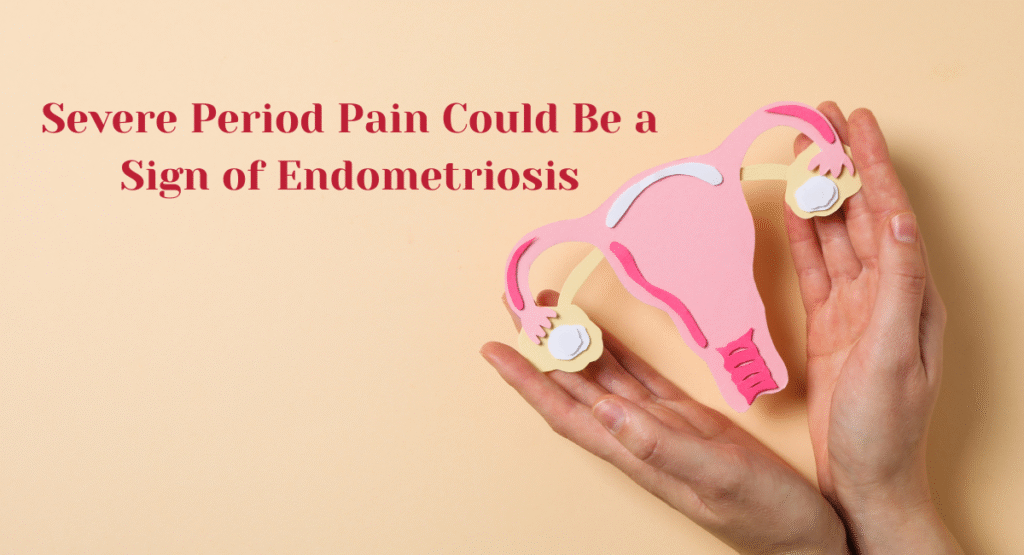
PCOD (Polycystic Ovarian Disease) is a condition where a woman’s ovaries release many immature or partially mature eggs. Over time, these eggs turn into cysts inside the ovaries. This leads to hormonal imbalance, irregular ovulation, and menstrual problems.
PCOD is primarily a lifestyle-related disorder and is very common among young women today. Stress, unhealthy diet, lack of physical activity, and weight gain play a major role in triggering PCOD.
Key Features of PCOD:
- Ovaries become enlarged
- Multiple small cysts are seen
- Hormonal imbalance
- Irregular periods
- Delayed ovulation
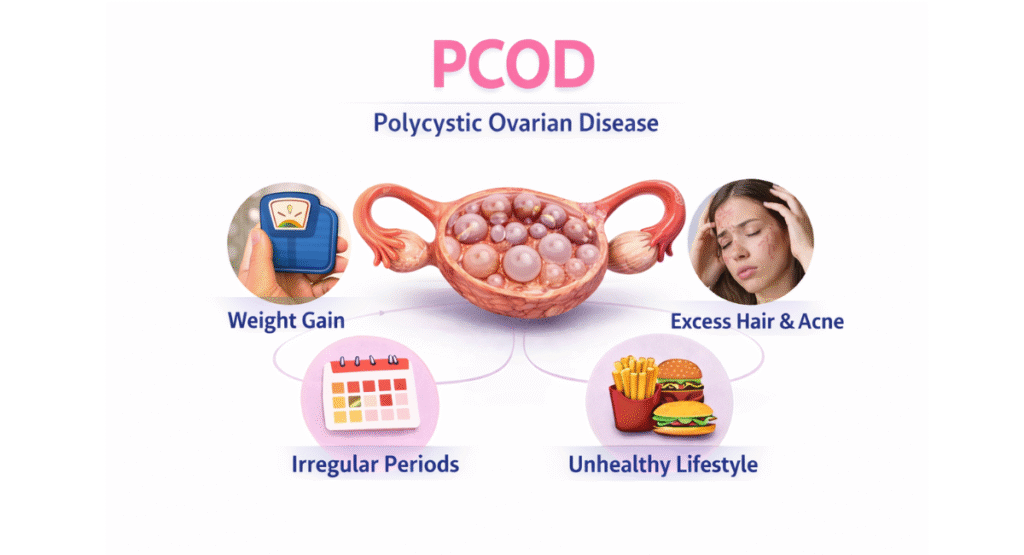
PCOD is manageable and many women with PCOD can conceive naturally with proper treatment and lifestyle changes.
What is PCOS?
PCOS (Polycystic Ovary Syndrome) is a more severe endocrine disorder that affects the body’s metabolism, insulin levels, and reproductive hormones. It is considered a metabolic syndrome, not just an ovarian problem.
In PCOS, the ovaries produce excess male hormones (androgens), which leads to missed periods, acne, hair growth on face/body, scalp hair thinning, and fertility issues.
PCOS also increases the long-term risk of:
- Type 2 diabetes
- Heart disease
- High cholesterol
- Endometrial cancer
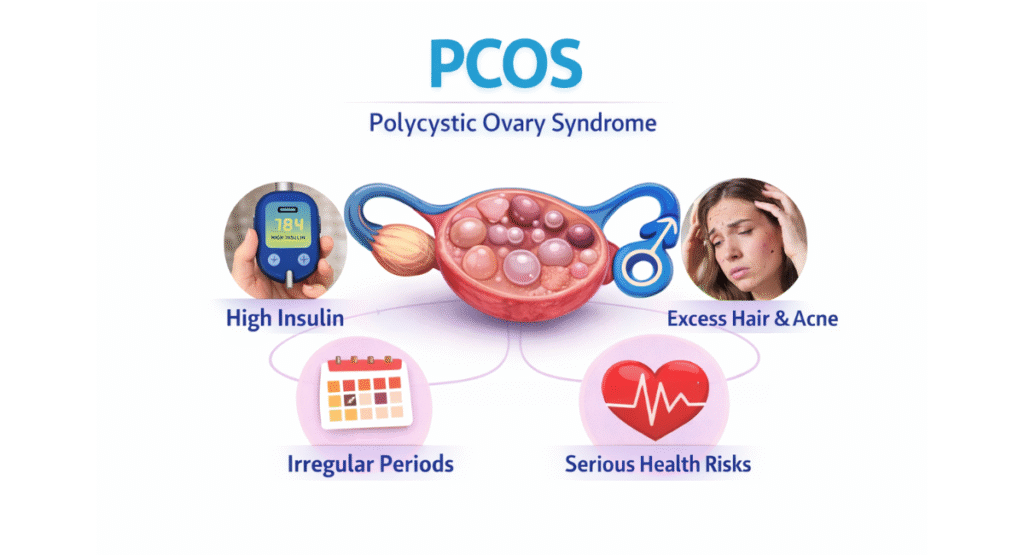
PCOS requires long-term medical monitoring by a specialist like the best gynae in Indore.
PCOD vs PCOS: The Real Differences
| Feature | PCOD | PCOS |
| Nature | Lifestyle-related | Hormonal & metabolic disorder |
| Severity | Mild to moderate | More severe |
| Ovulation | Irregular | Often absent |
| Fertility | Usually possible | Often difficult |
| Insulin resistance | Rare | Common |
| Long-term risks | Low | High |
| Treatment | Lifestyle + meds | Long-term hormonal care |
Many women have PCOD, but only a smaller percentage develop PCOS. That is why early diagnosis is very important.
Causes of PCOD and PCOS
Although the exact cause is unknown, the following factors play a major role:
1. Hormonal Imbalance
Excess androgens disrupt normal ovulation.
2. Insulin Resistance
High insulin increases male hormone production.
3. Genetics
Family history increases risk.
4. Lifestyle Factors
- Junk food
- Obesity
- Stress
- Lack of exercise
A proper diagnosis by the best gynae in Indore can help identify your specific cause.
Common Symptoms of PCOD and PCOS
Menstrual Problems
- Irregular cycles
- Missed periods
- Heavy or scanty bleeding
Skin & Hair Changes
- Acne
- Oily skin
- Facial hair
- Hair thinning
Weight Issues
- Sudden weight gain
- Difficulty losing weight
Fertility Problems
- Delayed conception
- Poor ovulation
Emotional Impact
- Anxiety
- Low confidence
- Mood swings
If you notice these signs, consult the best gynae in Indore for early care.
How is PCOD and PCOS Diagnosed?
Diagnosis is based on:
- Medical history
- Menstrual pattern
- Physical examination
- Ultrasound
- Hormonal blood tests
- Blood sugar and lipid profile
Only a trained doctor can differentiate between PCOD and PCOS correctly.
Treatment for PCOD and PCOS
There is no “one-size-fits-all” treatment. Management depends on symptoms and future pregnancy plans.
1. Lifestyle Changes (Most Important)
- 30 minutes of exercise daily
- Balanced diet
- Weight control
- Stress management
2. Medications
- Hormonal pills
- Insulin sensitizers
- Ovulation-inducing drugs
3. Fertility Treatment
Women struggling to conceive may need special ovulation treatment under the guidance of the best gynae in Indore.
Diet Tips for PCOD & PCOS
- Eat whole grains
- High fiber foods
- Lean protein
- Avoid sugar & junk
- Drink plenty of water
A healthy diet can reduce symptoms significantly.
Can You Get Pregnant with PCOD or PCOS?
Yes, many women conceive successfully with timely treatment. Early diagnosis, lifestyle changes, and expert care from the best gynae in Indore make pregnancy possible and safe.
When Should You See a Gynecologist?
You should consult a specialist if:
- Periods are irregular
- You are unable to conceive
- Excess hair or acne is troubling
- Sudden weight gain occurs
Early treatment prevents complications.
Final Thoughts
So, are PCOD and PCOS the same? No.
PCOD is a common lifestyle disorder, while PCOS is a complex hormonal and metabolic condition. Understanding the difference helps you choose the right treatment path and avoid long-term health issues.
With correct guidance, lifestyle care, and support from the best gynae in Indore, you can take control of your health and live confidently.