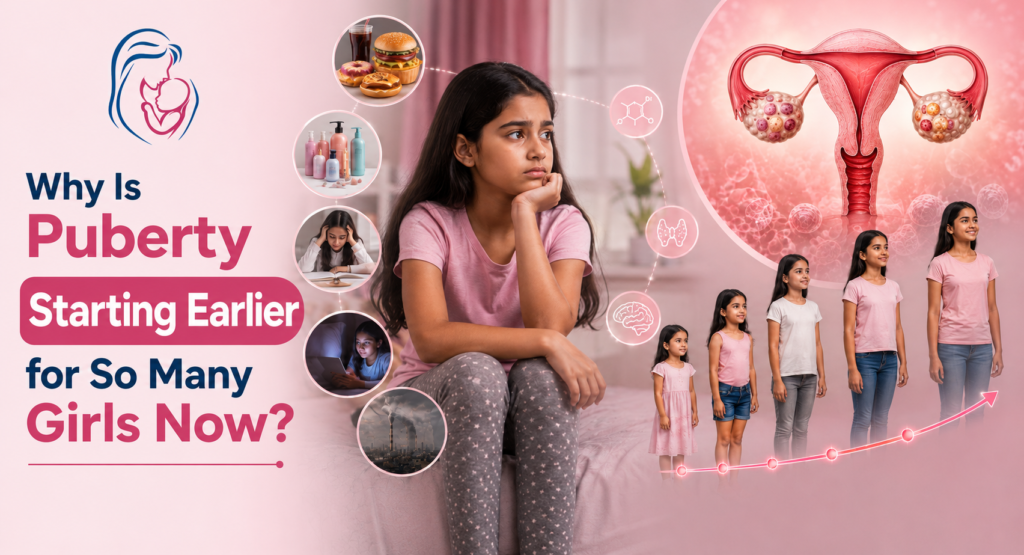
Hormones play an essential role in a woman’s overall health. They regulate the menstrual cycle, ovulation, fertility, metabolism, mood, sleep, and many other important functions. When hormone levels become too high or too low, it can lead to several physical and emotional changes. Hormonal Imbalance in Women: Symptoms You Should Never Ignore consult Best Gynecologist in Indore
Hormonal fluctuations are normal during puberty, pregnancy, after childbirth, perimenopause, and menopause. However, persistent symptoms such as irregular periods, unexplained weight changes, acne, excessive hair growth, fatigue, or mood changes may indicate an underlying health concern.
If you notice ongoing changes in your body, consulting the Best Gynecologist in Indore can help identify the possible cause and determine whether medical evaluation or treatment is required.
What Is Hormonal Imbalance in Women?
Hormonal imbalance occurs when the body produces too much or too little of a particular hormone. Estrogen, progesterone, thyroid hormones, insulin, and other hormones are involved in different aspects of women’s health. hormonal imbalance symptoms, causes, diagnosis, and treatment in women, plus when to consult the Best Gynecologist in Indore for expert care.
Hormone levels naturally change throughout the menstrual cycle and at different stages of life. Therefore, every hormonal fluctuation does not necessarily mean there is a medical problem. However, symptoms that are persistent, unusual, or affecting your daily life should not be ignored.
A consultation with the Best Gynecologist in Indore can help distinguish between normal hormonal changes and symptoms that may require further investigation.
Common Causes of Hormonal Imbalance
Hormonal changes can occur for several reasons. Some common causes include:
- Polycystic ovary syndrome (PCOS)
- Thyroid disorders
- Pregnancy and postpartum changes
- Perimenopause and menopause
- Excessive stress
- Poor sleep
- Significant weight gain or weight loss
- Insulin resistance
- Certain medications
- Excessive physical activity
- Some ovarian or endocrine conditions
Because the cause can vary from person to person, it is better to avoid self-diagnosis and seek professional medical advice.

10 Symptoms of Hormonal Imbalance You Should Never Ignore
1. Irregular or Missed Periods
One of the most noticeable signs of hormonal changes is a change in the menstrual cycle. Your periods may become irregular, unusually heavy, very light, or may stop for several months.
Occasional changes can occur because of stress or lifestyle factors, but persistent menstrual irregularities may be associated with PCOS, thyroid disorders, pregnancy, or other conditions.
If your periods have changed significantly, a consultation with the Best Gynecologist in Indore can help determine the possible cause.
2. Unexplained Weight Gain or Weight Loss
Unexpected changes in body weight can sometimes be associated with hormonal or metabolic problems.
For example, thyroid disorders may affect metabolism, while PCOS and insulin resistance can make weight management more difficult for some women.
If your weight changes without a clear reason despite maintaining similar eating and activity habits, discuss the changes with a healthcare professional.
3. Persistent Acne
Hormonal fluctuations can increase oil production and contribute to acne. Adult acne, especially when it develops suddenly or is accompanied by irregular periods or increased facial hair, may sometimes be linked with hormonal changes. hormonal imbalance symptoms, causes, diagnosis, and treatment in women, plus when to consult the Best Gynecologist in Indore for expert care.
Although acne can have several causes, persistent symptoms should be evaluated rather than treated only with over-the-counter products.
4. Excessive Hair Growth or Hair Loss
Hormonal changes can affect hair growth patterns. Some women may notice increased facial or body hair, while others may experience thinning scalp hair or excessive hair fall.
These changes can sometimes occur with PCOS, thyroid problems, nutritional deficiencies, stress, or other conditions. A doctor can help determine whether further evaluation is appropriate.
5. Persistent Fatigue
Feeling tired occasionally is normal, but constant fatigue despite adequate sleep should not always be dismissed as stress or a busy lifestyle.
Thyroid disorders, anemia, nutritional problems, sleep disturbances, and several other health conditions can contribute to fatigue.
If tiredness continues for weeks or affects your daily activities, consider seeking medical advice.
6. Mood Changes and Irritability
Hormonal fluctuations can influence mood, but emotional changes can also result from stress, lack of sleep, lifestyle factors, or other health concerns.
Persistent irritability, anxiety, low mood, or significant emotional changes should be discussed with a healthcare professional instead of automatically assuming that hormones are the only cause.
The Best Gynecologist in Indore can evaluate your symptoms and suggest appropriate next steps when hormonal or reproductive factors may be involved.
7. Sleep Problems
Hormonal changes can affect sleep quality. Some women experience difficulty falling asleep, frequent waking, or disrupted sleep during perimenopause and menopause.
However, sleep problems can also be caused by stress, lifestyle, medications, or other medical conditions. If poor sleep persists, it is worth discussing with your doctor.
8. Changes in Libido
A sudden or persistent change in sexual desire can have multiple causes, including hormonal fluctuations, stress, medications, relationship factors, vaginal dryness, menopause, or certain medical conditions.
There is no need to feel embarrassed about discussing these concerns. A gynecologist can help identify possible causes and appropriate management.
9. Difficulty Getting Pregnant
Hormones play an important role in ovulation and reproductive health. Hormonal conditions that affect ovulation may sometimes make conception more difficult.
If you have been trying to conceive and have irregular periods, PCOS symptoms, or other fertility concerns, an evaluation by the Best Gynecologist in Indore can help determine whether fertility assessment or treatment may be appropriate.
10. Hot Flashes and Excessive Sweating
Hot flashes and night sweats are commonly associated with hormonal changes during perimenopause and menopause.
While they can be a normal part of this life stage, frequent or severe symptoms that interfere with sleep or daily activities should be discussed with a healthcare professional.
How Is Hormonal Imbalance Diagnosed?
There is no single test that can identify every type of hormonal imbalance. Diagnosis usually begins with a detailed discussion about your symptoms, menstrual cycle, lifestyle, medications, medical history, and reproductive health.
Depending on your symptoms, your doctor may recommend blood tests or other investigations. These may include thyroid testing, blood sugar evaluation, hormone-related tests, or ultrasound when clinically appropriate.
The Best Gynecologist in Indore can recommend investigations based on your individual symptoms rather than relying on unnecessary tests.
Treatment for Hormonal Imbalance
Treatment depends on the underlying cause. There is no single treatment that works for every woman.
Depending on the diagnosis, management may include lifestyle modifications, medicines for PCOS-related symptoms, treatment for thyroid disorders, menstrual management, fertility treatment, or appropriate care for perimenopause and menopause.
Healthy lifestyle habits can also support overall well-being. Maintaining a balanced diet, getting regular physical activity, sleeping adequately, managing stress, and maintaining a healthy weight can be beneficial.
However, lifestyle changes should not be considered a replacement for medical treatment when an underlying health condition requires professional care.
When Should You Visit a Gynecologist?
You should consider scheduling an appointment if hormonal symptoms persist, become worse, or start affecting your daily life.
You should especially seek medical advice if you experience:
- Periods that are consistently irregular
- Very heavy or prolonged bleeding
- Unexplained weight changes
- Persistent acne or excessive hair growth
- Significant hair loss
- Ongoing fatigue
- Difficulty conceiving
- Severe mood or sleep changes
- Symptoms associated with menopause that interfere with daily life
Choosing the Best Gynecologist in Indore can help you receive personalized evaluation and understand whether your symptoms are related to hormones or another underlying condition.
Why Early Evaluation Matters
Hormonal symptoms can sometimes develop gradually. Many women get used to these changes and continue to ignore them, particularly when symptoms are mild initially.
However, persistent irregular periods, unexplained changes in weight, fertility difficulties, or other symptoms may sometimes be associated with conditions such as PCOS or thyroid disorders.
Early evaluation does not necessarily mean that you have a serious health problem. It simply allows your doctor to understand what is happening and recommend appropriate care when needed.
Take Your Hormonal Health Seriously
Hormonal changes are a normal part of a woman’s life, but persistent or unusual symptoms deserve attention. Your menstrual cycle, skin, hair, mood, weight, sleep, and fertility can provide useful clues about your overall health.
If you are experiencing multiple symptoms or are concerned about changes in your body, do not rely solely on internet searches or self-medication. A consultation with the Best Gynecologist in Indore can help you understand your symptoms and take the right steps toward better women’s health.
Remember, every woman’s hormonal health is different. The right evaluation and individualized treatment can help address the underlying cause rather than simply managing symptoms.
Frequently Asked Questions
1. What are the most common symptoms of hormonal imbalance in women?
Common symptoms may include irregular periods, unexplained weight changes, acne, excessive facial or body hair, hair loss, fatigue, mood changes, sleep problems, changes in libido, and difficulty getting pregnant.
2. Can hormonal imbalance cause irregular periods?
Yes. Hormonal changes can affect ovulation and the menstrual cycle, leading to irregular, heavy, light, or missed periods. PCOS and thyroid disorders are among the possible causes.
3. Can hormonal imbalance affect fertility?
Yes. Certain hormonal conditions can affect ovulation and make conception more difficult. Women experiencing irregular periods or difficulty conceiving should consider discussing their concerns with a gynecologist.
4. How is hormonal imbalance diagnosed?
Diagnosis depends on your symptoms and medical history. Your doctor may recommend blood tests, thyroid or metabolic testing, hormone-related investigations, or an ultrasound when appropriate.
5. When should I consult a gynecologist for hormonal symptoms?
You should consider consulting a gynecologist when symptoms are persistent, unusual, worsening, or affecting your menstrual cycle, fertility, daily activities, or quality of life. The Best Gynecologist in Indore can help evaluate your symptoms and recommend suitable next steps.