Polycystic Ovary Syndrome (PCOS) is a common hormonal condition that affects women during their reproductive years. It can influence menstrual cycles, skin health, hair growth, weight management, and fertility. Some women notice symptoms during their teenage years, while others discover the condition when they experience irregular periods or difficulty becoming pregnant.
If you are searching online for a Women Specialist near Me, understanding the early signs of PCOS can help you decide when to seek professional advice. Early evaluation and appropriate care can help manage symptoms and reduce the risk of certain long-term health complications.
PCOS affects every woman differently. With the right medical guidance, lifestyle adjustments, and an individualized treatment plan, many women can manage their symptoms and maintain their overall health.
What Is PCOS?
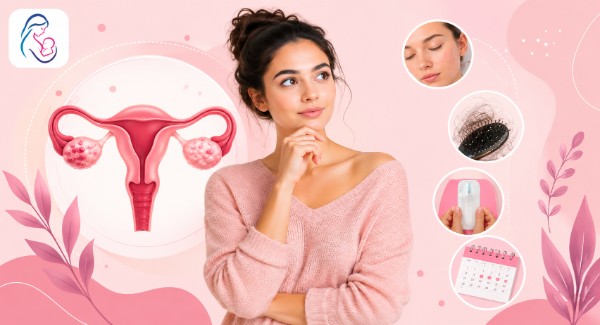
PCOS stands for Polycystic Ovary Syndrome. It is a hormonal and metabolic condition associated with irregular ovulation and, in many cases, higher-than-normal androgen levels. Androgens are hormones that are present in all women, although they are often called male hormones.
PCOS may also be associated with insulin resistance, which means the body does not respond to insulin as effectively as it should. This can affect blood sugar regulation and contribute to metabolic problems in some women.
Despite its name, not every woman with PCOS has ovarian cysts. A diagnosis depends on a combination of symptoms, medical history, examination, and appropriate investigations rather than an ultrasound alone.
A qualified gynecologist can assess your symptoms and help determine whether PCOS or another condition is responsible.
Early Symptoms of PCOS in Women
Recognizing possible PCOS symptoms is an important step toward getting timely medical advice. If you experience persistent changes in your menstrual cycle, skin, or hair growth, consider consulting a gynecologist.
1. Irregular Periods
Irregular menstrual cycles are one of the common signs of PCOS. Periods may occur less frequently than expected, become unpredictable, or be absent for several months because ovulation may not occur regularly.
Long gaps between periods should not be ignored. If you regularly go more than three months without a period, arrange a medical assessment, particularly if pregnancy is possible.
2. Acne and Oily Skin
Some women with PCOS experience persistent acne, especially around the chin, jawline, chest, and back. Increased androgen levels can stimulate oil production, contributing to clogged pores and breakouts.
Acne alone does not confirm PCOS, but acne combined with irregular periods or excess facial hair may warrant further evaluation.
3. Excess Facial or Body Hair
Increased hair growth on the chin, upper lip, chest, or abdomen can occur when androgen levels are elevated or hair follicles are more sensitive to these hormones. This symptom is known as hirsutism.
If excess hair growth develops alongside menstrual irregularities, a consultation with a gynecologist can help identify the cause and discuss suitable treatment options.
4. Hair Thinning on the Scalp
Some women notice thinning hair around the crown or a widening parting. Hormonal changes associated with PCOS may contribute to this pattern.
However, hair loss can also result from thyroid disorders, nutritional deficiencies, stress, or other health conditions. A proper assessment helps identify the underlying cause.
5. Weight Changes and Difficulty Managing Weight
Some women with PCOS experience weight gain or find weight management challenging. Insulin resistance may contribute to these difficulties, although PCOS can also affect women who are not overweight.
Weight alone cannot diagnose PCOS. A healthcare professional can recommend a sustainable nutrition and activity plan based on your individual needs.
6. Difficulty Becoming Pregnant
PCOS may interfere with regular ovulation, making conception more difficult for some women. However, PCOS does not automatically mean infertility. Many women with PCOS conceive naturally or with appropriate medical support.
If you are planning a pregnancy or have been trying to conceive without success, consult a gynecologist to discuss ovulation, fertility evaluation, and possible treatment options.
7. Dark Patches on the Skin
Some women develop dark, thickened patches of skin around the neck, underarms, or groin. This condition may be associated with insulin resistance and can sometimes occur alongside PCOS.
If you notice unexplained skin changes along with irregular periods or other hormonal symptoms, discuss them with your doctor.
How Is PCOS Diagnosed?
There is no single test that confirms PCOS in every woman. A gynecologist evaluates symptoms, medical history, and test results to establish a diagnosis and rule out other possible causes. World Health Organization+1
If you consult a Women Specialist near Me for suspected PCOS, your evaluation may include the following steps.
1. Medical History and Symptom Review
Your doctor may ask about your menstrual cycle, acne, unwanted hair growth, weight changes, family history, and pregnancy plans. Keeping a record of your period dates and symptoms can make this consultation more helpful.
2. Physical Examination
Depending on your symptoms, the doctor may assess blood pressure, weight-related measurements, skin changes, and hair growth patterns. Any examination will depend on your age, medical history, and clinical needs.
3. Blood Tests
Blood tests may be recommended to assess androgen levels and check for other conditions that can cause similar symptoms, such as thyroid disorders. Your doctor may also recommend blood glucose and cholesterol testing to assess metabolic health.
4. Ultrasound Scan
A pelvic ultrasound may be used to examine the ovaries and uterus when clinically appropriate. However, an ultrasound showing polycystic ovaries does not automatically mean you have PCOS, and some women can be diagnosed without this ultrasound finding.
In adults, diagnosis generally involves at least two of three features: irregular ovulation, clinical or biochemical signs of excess androgens, and polycystic ovarian appearance on ultrasound, after excluding other causes. Diagnosis in adolescents requires particular care because normal puberty can resemble PCOS. NICHD+1
Treatment Options for PCOS
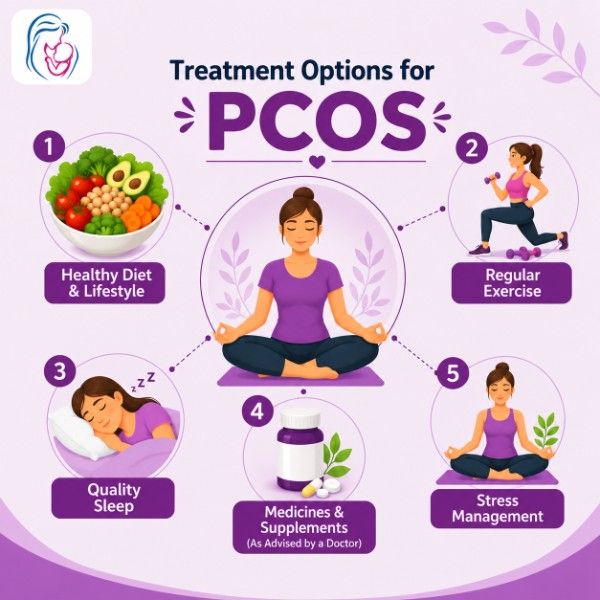
PCOS treatment depends on your symptoms, general health, and whether you are planning a pregnancy. Although there is currently no permanent cure, appropriate treatment can help manage symptoms and reduce certain long-term health risks.
A gynecologist can create a treatment plan according to your individual needs.
1. Healthy Diet and Regular Exercise
A balanced diet and regular physical activity are important parts of PCOS management. Choose a variety of vegetables, fruits, whole grains, protein-rich foods, and sources of healthy fats.
Activities such as walking, cycling, swimming, or strength training can support metabolic health. If you have excess weight, a sustainable approach to weight management may improve some symptoms. However, healthy habits are beneficial even when weight loss is not needed or does not occur.
Avoid extreme diets and unproven remedies that promise to cure PCOS.
2. Medicines to Regulate Periods
A doctor may prescribe hormonal medicines, including combined oral contraceptive pills when suitable, to help regulate periods and improve acne or excess hair growth.
For women who experience very infrequent periods, a clinician may recommend a progestogen-based treatment to protect the uterine lining. The choice depends on your health history and individual risks.
Do not start hormonal medicines without medical advice.
3. Treatment for Insulin Resistance
Some women with PCOS may benefit from medicines such as metformin, particularly when metabolic concerns are present. A healthcare professional will determine whether medication is appropriate based on your test results and medical history.
Medication is not necessary for every woman with PCOS.
4. Fertility Treatment
If PCOS affects ovulation and you wish to become pregnant, your doctor may discuss treatments that help stimulate ovulation. Depending on your circumstances, options may include medicines such as letrozole, followed by other fertility treatments when needed.
Women with PCOS can often achieve pregnancy with suitable medical support. Early consultation can help identify the most appropriate approach.
5. Treatment for Acne and Excess Hair
Depending on the cause and severity, treatment may include prescription acne medicines, suitable hormonal treatment, or options for unwanted hair removal.
Some hormonal medicines used to treat excess hair can harm a developing pregnancy. Tell your doctor if you are trying to conceive or could become pregnant before starting treatment.
Lifestyle Tips to Help Manage PCOS
Along with medical treatment, everyday habits can support your overall well-being.
- Eat balanced meals at regular intervals.
- Include fibre-rich foods and adequate protein.
- Exercise consistently and reduce long periods of sitting.
- Maintain a regular sleep schedule.
- Track your menstrual cycle and changes in symptoms.
- Attend recommended follow-up visits and health screenings.
- Seek emotional support if PCOS affects your mood or confidence.
These habits can support long-term health, but they do not replace medical evaluation or prescribed treatment.
When Should You Consult a Women Specialist near Me for PCOS?
Consider scheduling an appointment if you experience persistent irregular periods, excessive facial hair, ongoing acne, unexplained hair thinning, or difficulty conceiving.
You should also seek medical advice if you regularly go several months without menstruating, as prolonged gaps can require assessment and treatment to protect the uterine lining.
Searching for a Women Specialist near Me can help you find a qualified gynecologist who can assess your symptoms, recommend appropriate investigations, and guide you through treatment options.
For women in Indore, Dr. Neha Khatod provides gynecology and women’s healthcare services, including evaluation of menstrual and hormonal concerns. Choose a consultation based on your individual needs and discuss any symptoms that are affecting your daily life.
Conclusion
PCOS is a manageable hormonal condition, but its symptoms can vary considerably from one woman to another. Irregular periods, acne, excess facial hair, scalp hair thinning, and fertility difficulties may indicate the need for further evaluation.
Early diagnosis, individualized treatment, healthy lifestyle habits, and regular follow-up can help women manage symptoms and protect their long-term health.
If you are concerned about possible PCOS, consult a qualified gynecologist rather than relying on symptoms or ultrasound findings alone. The right medical guidance can help you understand your condition and make informed decisions about your health.
Frequently Asked Questions (FAQs)
1. What are the first signs of PCOS in women?
Common early signs include irregular periods, persistent acne, excess facial or body hair, and thinning scalp hair. Some women also experience weight changes or difficulty becoming pregnant. These symptoms can have other causes, so medical evaluation is important.
2. Can PCOS be treated permanently?
There is currently no permanent cure for PCOS. However, lifestyle changes, medicines, and fertility treatments can help manage symptoms and reduce certain health risks. Treatment plans may change as your health needs change.
3. Can I have PCOS if my periods are regular?
Yes, regular periods do not always rule out PCOS. A doctor will assess other symptoms, hormone levels, ovulation, and relevant clinical findings before deciding whether further investigation is needed.
4. Is an ultrasound necessary to diagnose PCOS?
Not always. In adults, a diagnosis can often be made using menstrual and androgen-related features after other causes have been excluded. An ultrasound may be useful in some cases, but it is not required for every patient.
5. When should I search for a Women Specialist near Me for PCOS?
Consider consulting a gynecologist if you have persistent irregular periods, unusual hair growth, ongoing acne, unexplained hair thinning, or difficulty conceiving. A specialist can evaluate your symptoms and recommend suitable tests and treatment.
6. Can women with PCOS become pregnant naturally?
Yes. Many women with PCOS conceive naturally, although irregular ovulation can make conception more difficult for some. If you experience fertility difficulties, a gynecologist can discuss appropriate treatment options.
7. Does PCOS affect long-term health?
PCOS is associated with an increased risk of insulin resistance, type 2 diabetes, and certain cardiovascular and uterine lining complications. Regular medical follow-up and appropriate screening can help manage these risks.