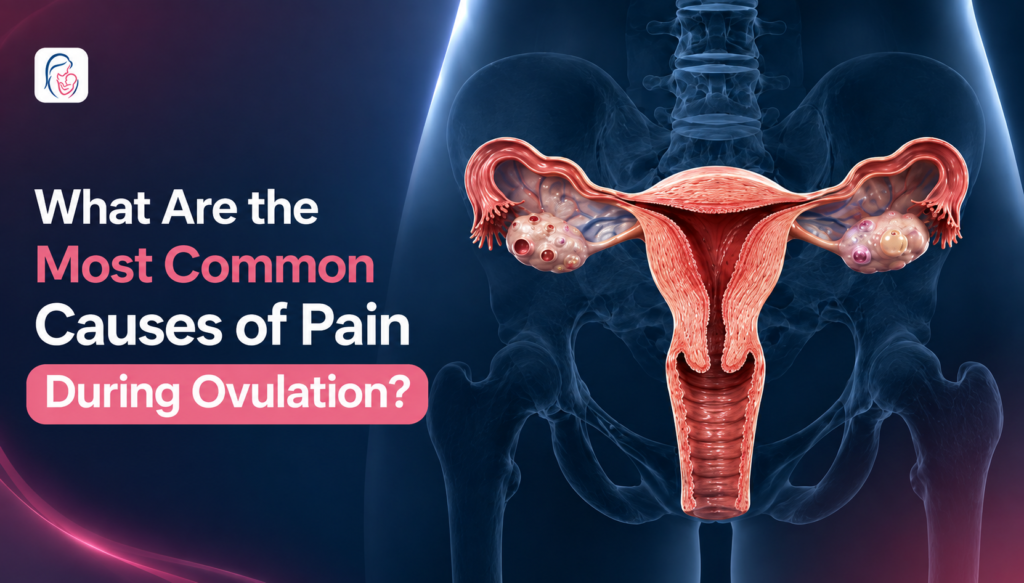
Some women notice pain or discomfort around the middle of their menstrual cycle. It may feel like a mild cramp on one side of the lower abdomen and can last for a few hours or sometimes longer. This type of pain is commonly known as ovulation pain or mittelschmerz.
For some women, it happens almost every month, while others may experience it only occasionally. In many cases, ovulation pain is harmless and goes away on its own. But not every type of pelvic pain is related to ovulation.
Understanding the possible causes can help you know when the pain is normal and when it needs medical attention. If your pain is severe, keeps coming back, or feels different from your usual symptoms, consulting the Best Gynecologist in Indore can help identify the actual cause.
What Is Ovulation Pain?
Ovulation is the time when an ovary releases an egg. It usually happens around the middle of the menstrual cycle, although the exact timing can vary from woman to woman.
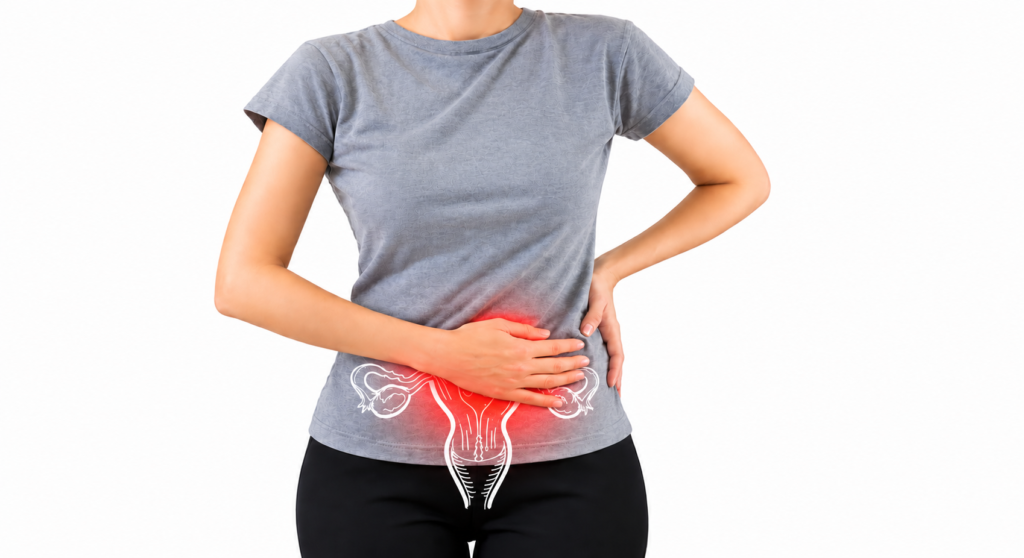
Some women feel a sharp, pulling, aching, or cramping sensation during this time. The pain may occur on the right or left side of the lower abdomen, depending on which ovary is releasing the egg.
The pain may last for a short period or continue for several hours. Mild ovulation pain without other concerning symptoms is generally not a reason to worry.
However, if the pain is new, severe, or persistent, the Best Gynecologist in Indore can help determine whether something other than normal ovulation may be responsible.
What Causes Pain During Ovulation?
1. Release of the Egg
One of the most common explanations for ovulation pain is the release of the egg from the ovary.
As the ovarian follicle grows and eventually opens to release the egg, some women may feel temporary discomfort. The fluid or small amount of blood released from the follicle can also irritate the surrounding tissues and contribute to pain.
This is one reason why ovulation pain may occur suddenly and usually settles without treatment.
2. Growth of the Ovarian Follicle
Before ovulation, an egg develops inside a fluid-filled structure called a follicle. As the follicle grows, it stretches the surface of the ovary.
This stretching may cause a mild ache or pressure in some women. The discomfort may be felt on one side of the lower abdomen and can change from one month to another.
3. Normal Pelvic Sensitivity
Every woman’s body responds differently to ovulation. Some women are simply more sensitive to the changes taking place around the ovary and pelvis.
A sensation that feels noticeable to one woman may not be felt at all by another. Therefore, experiencing mild pain during ovulation does not automatically mean that something is wrong.
How Does Normal Ovulation Pain Feel?
Ovulation pain can feel different from woman to woman. It may be a dull ache, mild cramping, pressure, or a sudden sharp sensation.
Some women notice it on one side of the lower abdomen, while others may feel a more general pelvic discomfort.
The pain often appears around the middle of the menstrual cycle and may disappear on its own.
If your pain follows a similar pattern every month and remains mild, it may be related to ovulation. Still, recurring or worsening pain should be discussed with the Best Gynecologist in Indore to rule out other causes.
When Can Ovulation Pain Be a Sign of Something Else?
Not all mid-cycle pelvic pain is caused by ovulation. Several gynecological conditions can cause symptoms that may feel similar.
Ovarian Cysts
Ovarian cysts are fluid-filled sacs that can develop on or inside an ovary. Many cysts are harmless and disappear on their own, but some can cause pelvic pain.
A larger cyst, a ruptured cyst, or a cyst that causes twisting of the ovary can lead to more significant symptoms.
Endometriosis
Endometriosis occurs when tissue similar to the lining of the uterus grows outside the uterus. It can cause pelvic pain, painful periods, pain during sex, and sometimes fertility problems.
Some women may notice that their pelvic pain becomes more noticeable around ovulation or menstruation.
Pelvic Infection
Certain infections affecting the reproductive organs can cause lower abdominal or pelvic pain. The pain may occur along with unusual vaginal discharge, fever, pain during sex, or burning while urinating.
These symptoms should not be ignored and require medical evaluation.
Appendicitis or Other Abdominal Problems
Pain on the right side of the lower abdomen is not always related to ovulation. Conditions such as appendicitis or problems involving the urinary or digestive system can also cause abdominal pain.
This is why the location and severity of pain alone cannot confirm its cause.
Symptoms That Need Medical Attention
Mild ovulation discomfort is usually manageable, but some symptoms should prompt you to seek medical advice.
- Severe or sudden pelvic pain
- Pain that keeps getting worse
- Fever or chills
- Heavy vaginal bleeding
- Fainting or severe dizziness
- Vomiting along with severe pain
- Unusual vaginal discharge
- Pain during pregnancy or when pregnancy is possible
If you experience these symptoms, do not assume that they are simply ovulation pain. Prompt medical evaluation is important.
How Is Ovulation Pain Diagnosed?
There is no single test specifically used to diagnose normal ovulation pain. Your doctor may first ask about your menstrual cycle, the timing of the pain, its location, duration, and other symptoms.
A physical examination may be recommended depending on your symptoms. If another condition is suspected, your doctor may suggest investigations such as a pregnancy test, blood tests, urine tests, or an ultrasound.
The Best Gynecologist in Indore can assess your symptoms and decide which investigations, if any, are appropriate for you.
How Can Ovulation Pain Be Managed?
If the pain is mild and occurs around ovulation, simple measures may provide relief. Rest, adequate hydration, and a warm compress on the lower abdomen may help reduce discomfort.
Some women may need pain-relieving medicines, but it is better to discuss regular or repeated medicine use with a healthcare professional.
If another condition is responsible for the pain, treatment will depend on the diagnosis.
When Should You Visit a Gynecologist?
You do not need to panic about every mild cramp around ovulation. However, you should consider visiting a gynecologist if your pain is severe, lasts longer than expected, occurs frequently, interferes with daily activities, or is accompanied by other unusual symptoms.
A consultation with the Best Gynecologist in Indore can help you understand whether your symptoms are part of normal ovulation or related to an underlying gynecological condition.
Final Thoughts
Ovulation pain is common and, in many women, it is a normal part of the menstrual cycle. It may occur because of changes taking place in the ovary when an egg is released.
The important thing is to understand your own symptoms. If your usual mild mid-cycle discomfort suddenly becomes severe or is accompanied by bleeding, fever, vomiting, dizziness, or unusual discharge, it should not be ignored.
Knowing when to seek help can make a big difference. If you are unsure about recurring pelvic pain, consulting the Best Gynecologist in Indore can help you get the right evaluation and peace of mind.
Your menstrual and reproductive health deserves attention, even when the symptoms seem small.
Frequently Asked Questions (FAQs)
1. Is pain during ovulation normal?
Mild lower abdominal pain around the middle of the menstrual cycle can be normal for some women. It is often related to the release of an egg from the ovary. However, severe or persistent pain should be evaluated by a doctor.
2. How long does ovulation pain usually last?
Ovulation pain may last for a few minutes to several hours and, in some women, can continue for a day or two. The duration can vary from person to person.
3. Can ovulation pain occur on both sides?
Yes. Ovulation pain is often felt on one side, but some women may experience more general pelvic discomfort. The side may also vary between menstrual cycles.
4. When should I worry about ovulation pain?
You should seek medical advice if the pain is severe, suddenly becomes worse, keeps returning, or occurs with fever, vomiting, heavy bleeding, fainting, dizziness, or unusual vaginal discharge. The Best Gynecologist in Indore can help determine the cause.
5. Can ovulation pain affect fertility?
Normal ovulation pain itself generally does not mean that fertility is affected. However, if pelvic pain is caused by a condition such as endometriosis, ovarian cysts, or another reproductive health problem, medical evaluation may be important.