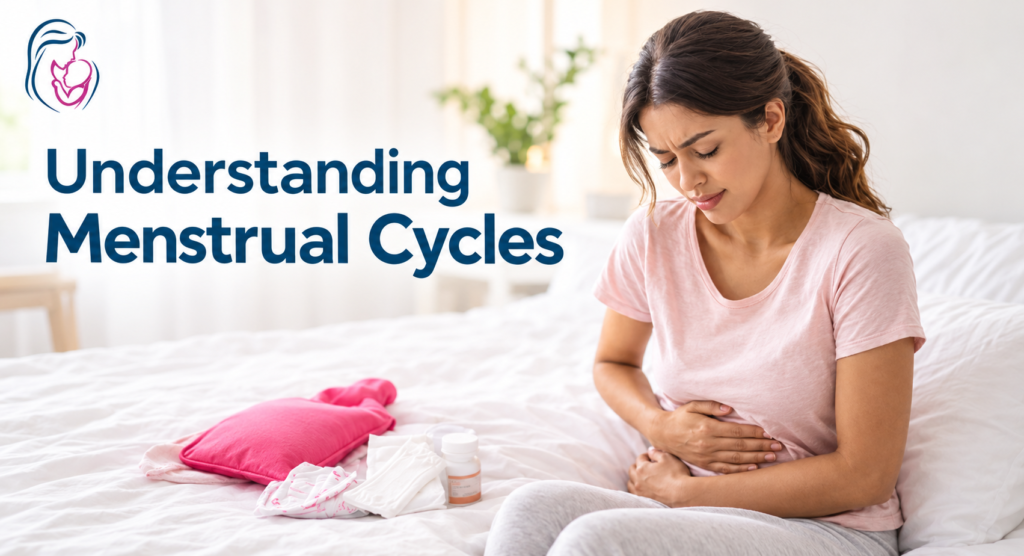
For many women, periods are something they simply learn to live with.
The cramps, mood changes, tiredness, bloating, headaches, or heavy bleeding may become a monthly routine. Some women quietly carry pain for years because they believe, “Periods are supposed to hurt.” Others may search online for a Women Specialist near Me only when the pain becomes difficult to manage.
But your period is not just a monthly inconvenience. It can provide important information about your overall reproductive and hormonal health.
Understanding your menstrual cycle can help you recognize what is normal, what may need attention, and when it is time to consult a Women Specialist near Me.
What Exactly Is a Menstrual Cycle?
A menstrual cycle is the series of hormonal changes that prepares your body for a possible pregnancy each month.
The first day of your period is considered Day 1 of the menstrual cycle. During the cycle, hormones help an egg mature in the ovary. Around ovulation, the egg may be released. If pregnancy does not occur, hormone levels fall and the uterine lining sheds, causing your next period.
While a 28-day cycle is often used as an example, cycles can naturally vary from woman to woman.
This is why comparing your period with your sister, friend, or someone you see on social media may not always be useful.
If you are unsure whether your cycle pattern is normal, discussing it with a Women Specialist near Me can provide more personalized guidance.
A Simple Story Many Women Can Relate To
Imagine a young woman named Riya.
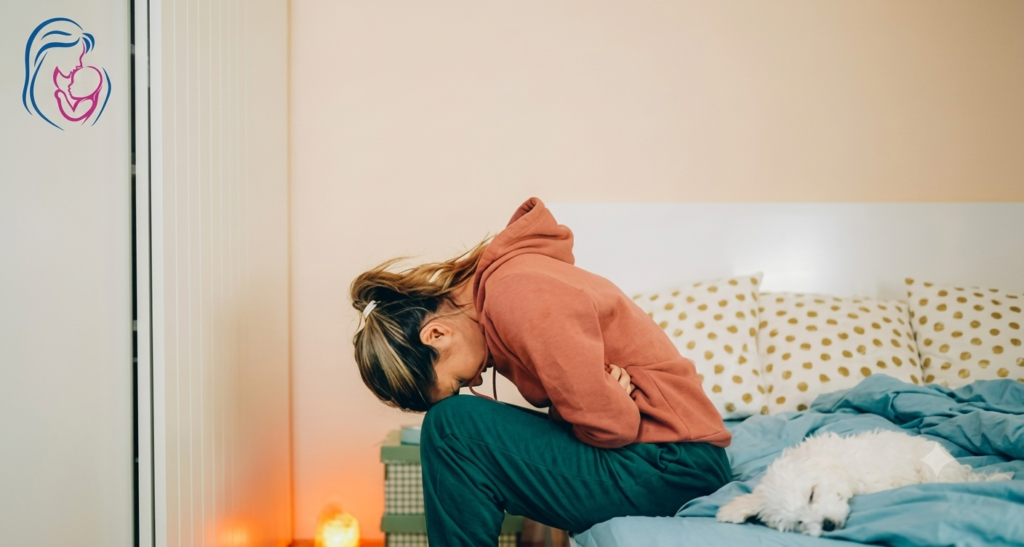
Every month, Riya experienced severe cramps during the first two days of her period. She would take painkillers, miss college or work, and spend hours resting in bed.
When her friends asked, she would simply say, “It’s normal. Everyone gets period pain.”
For almost a year, she ignored the problem.
One month, her pain became much stronger than usual. She also noticed that her periods had become heavier and lasted longer.
This time, instead of ignoring the symptoms, she decided to look for a Women Specialist near Me.
After discussing her symptoms and menstrual history, her doctor recommended appropriate evaluation.
Riya’s story highlights something important: period pain should not automatically be considered normal just because it happens every month.
Some discomfort can occur during menstruation, but severe or worsening symptoms deserve attention.
Common Period Problems Women Experience
Menstrual problems can look different for different women. Some experience mild changes, while others find that their periods interfere with daily life.
1. Painful Periods
Mild cramps can occur because the uterus contracts during menstruation.
However, severe pain that prevents you from working, studying, sleeping, or carrying out normal activities should not simply be ignored.
If your pain is consistently severe or suddenly becomes worse, consult a Women Specialist near Me for proper evaluation.
2. Heavy Menstrual Bleeding
Some women have heavier periods occasionally. But very heavy bleeding can become a concern, especially if you need to change sanitary products very frequently or your periods interfere with everyday activities.
Heavy bleeding may sometimes be associated with hormonal changes, fibroids, thyroid problems, certain medications, or other gynecological conditions.
A Women Specialist near Me can help identify the possible cause instead of treating heavy bleeding as something you simply have to tolerate.
3. Irregular Periods
Your period may sometimes come earlier or later than expected.
Stress, changes in weight, excessive exercise, hormonal fluctuations, PCOS, thyroid disorders, and other factors can influence menstrual cycles.
If irregular periods happen repeatedly, keeping track of your cycle and discussing the pattern with a Women Specialist near Me can be helpful.
4. Periods That Suddenly Change
Your usual period pattern can change over time.
For example, your periods may suddenly become:
- Much heavier
- Much more painful
- Longer or shorter
- Very irregular
- Associated with unusual bleeding between periods
A sudden change does not always mean something serious, but it is worth understanding why it is happening.
How Can You Understand Your Menstrual Cycle Better?
One of the easiest things you can do is track your periods.
You can use a calendar, notebook, or period-tracking app to record:
- First and last day of bleeding
- Flow pattern
- Pain level
- Spotting between periods
- Mood changes
- Other unusual symptoms
Over a few months, this information can reveal patterns that may otherwise be easy to miss.
For example, you may discover that your period is regularly becoming heavier or that severe pain occurs during every cycle.
When you visit a Women Specialist near Me, having this information can also make your consultation more useful.
What Can Help With Period Problems?
The right treatment depends on the cause.
For mild menstrual discomfort, some women may find relief from adequate rest, gentle physical activity, warmth over the lower abdomen, proper hydration, and other healthy habits.
But home remedies should not replace medical evaluation when symptoms are severe, persistent, or unusual.
A doctor may recommend treatment depending on the underlying problem. This could involve medicines, hormonal treatment, investigations, or management of a specific gynecological condition.
The goal should not simply be to “get through” every period. The goal is to understand why the problem is happening and how it can be managed safely.
When Should You Consult a Women Specialist?
You should consider consulting a Women Specialist near Me if:
- Period pain is severe or worsening
- Bleeding is unusually heavy
- Periods remain irregular for several cycles
- You experience bleeding between periods
- Your periods suddenly change
- Menstrual symptoms interfere with daily activities
- You feel unusually weak or tired during heavy periods
- You have concerns about your hormonal or reproductive health
If you are searching online for a Women Specialist near Me, don’t choose based only on convenience. Look for a qualified gynecologist who can understand your symptoms, medical history, and individual needs.
Don’t Ignore What Your Period Is Telling You
Your menstrual cycle is not something you need to fear or feel embarrassed about.
It is a natural part of women’s health, but changes in your cycle can sometimes be your body’s way of asking for attention.
Instead of silently adjusting your lifestyle around severe cramps, heavy bleeding, or irregular periods, take a moment to understand what is happening.
If you have been repeatedly searching for a Women Specialist near Me because of the same menstrual problem, that may be a good reason to schedule a consultation rather than continuing to manage the symptoms alone.
Listening to your body is not overreacting.
It is a part of taking care of yourself.
Frequently Asked Questions (FAQs)
1. What is considered a normal menstrual cycle?
A menstrual cycle can naturally vary between women. The timing, duration, and flow may differ from person to person. Tracking your periods can help you understand your personal pattern.
2. Is period pain normal?
Mild cramps can be common during periods. However, severe pain that affects your daily activities, keeps getting worse, or does not improve with usual measures should be evaluated by a gynecologist.
3. Why are my periods suddenly irregular?
Stress, weight changes, PCOS, thyroid problems, hormonal changes, excessive exercise, and other factors can affect periods. Repeated irregular cycles should be discussed with a Women Specialist near Me.
4. When should I worry about heavy periods?
If your bleeding is unusually heavy, lasts longer than expected, causes significant weakness or affects your normal activities, consult a gynecologist. The cause should be evaluated rather than simply ignored.
5. How can I prepare for a gynecologist appointment?
Track your period dates, bleeding pattern, pain, unusual symptoms, medications, and any recent changes in your health. Sharing this information with a Women Specialist near Me can help make the consultation more informative.
Final Takeaway
Periods are a normal part of life, but constant pain, unusually heavy bleeding, or repeated cycle changes should not become something you simply accept. Understanding your menstrual cycle and seeking timely medical advice can help identify problems early and support better reproductive health.
If you are looking for a Women Specialist near Me, consider consulting a qualified gynecologist when your menstrual symptoms are persistent, severe, or affecting your quality of life.