How Regular Gynecological Checkups Can Protect Your Health
Many women visit a gynecologist only when they experience severe pain, irregular periods, unusual discharge, or difficulty getting pregnant. But gynecological care is not only about treating problems after they appear. Regular consultations can help women understand changes in their reproductive health and identify concerns that may need attention.
Whether you are a teenager experiencing period problems, a woman planning pregnancy, a new mother, or approaching menopause, your healthcare needs can change with age.
Choosing the Best Gynae in Indore can help you discuss these concerns openly and understand which checkups or investigations may be appropriate for your situation.
Why Are Gynecological Checkups Important?
Your reproductive health can change because of hormones, age, pregnancy, lifestyle, medications, stress, and other health conditions.
Sometimes the symptoms are obvious. For example, you may notice very heavy periods or severe pelvic pain. But other problems may develop gradually.
A consultation gives you an opportunity to discuss changes in your menstrual cycle, vaginal health, fertility, contraception, pregnancy planning, or other concerns.
The Best Gynae in Indore should not simply focus on treating one symptom. A good consultation should consider your medical history, symptoms, age, reproductive goals, and overall health.
1. Understanding Changes in Your Periods
Your menstrual cycle can provide useful information about your health.
Occasional changes can happen, but repeated irregular periods, very heavy bleeding, unusually long periods, or bleeding between periods should not be ignored.
For example, a woman who previously had regular periods may suddenly start getting them every 45 to 60 days. She may assume that stress is responsible and continue waiting.
However, menstrual changes can have different causes, including PCOS, thyroid problems, changes in weight, pregnancy, stress, certain medications, and other hormonal or gynecological conditions.
A gynecological consultation can help determine whether further evaluation is needed.

2. Detecting PCOS and Hormonal Problems
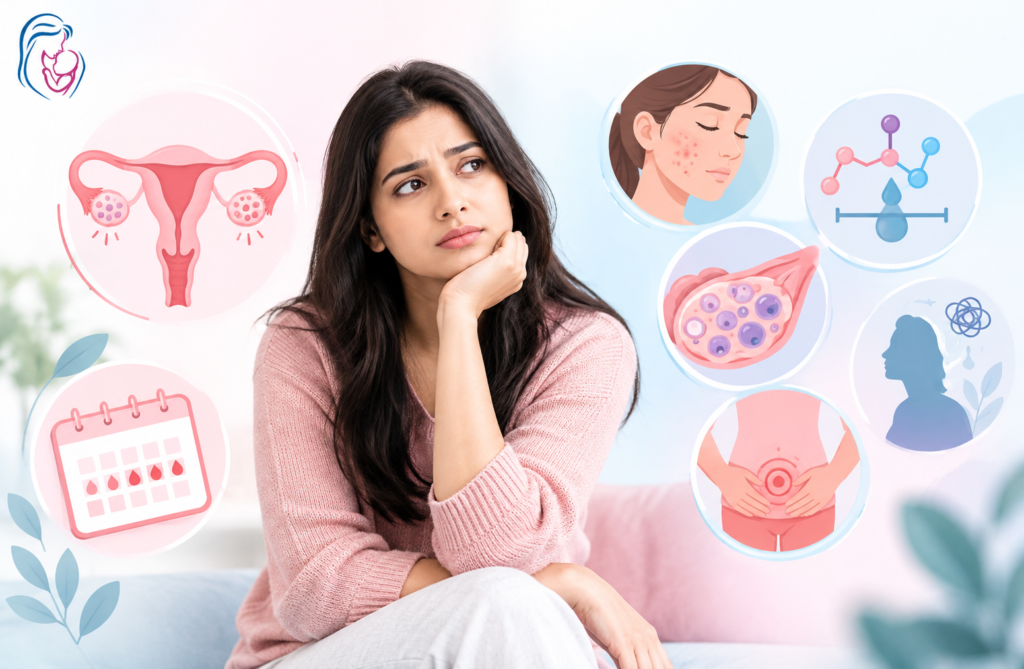
PCOS is a common hormonal condition that may affect periods, ovulation, skin, hair growth, metabolism, and fertility.
Some women experience irregular periods, acne, unwanted facial hair, weight changes, or difficulty becoming pregnant. However, these symptoms can also occur because of other conditions.
This is why diagnosing yourself based on an internet search or one symptom is not recommended.
If you are consulting the Best Gynae in Indore for possible PCOS, your doctor may discuss your menstrual history, symptoms, medical background, and pregnancy plans. Depending on your situation, blood tests or ultrasound may be recommended.
The aim is to understand the underlying problem rather than simply treating one symptom.
3. Addressing Painful Periods
Period cramps are common, but severe or worsening pain should not automatically be considered normal.
Some women experience pain that makes it difficult to attend college, go to work, exercise, or complete their daily activities.
If pain is severe, persistent, or associated with symptoms such as very heavy bleeding, pain during intercourse, or difficulty conceiving, a medical consultation may be appropriate.
Conditions such as endometriosis, fibroids, ovarian cysts, and other gynecological problems can sometimes cause pelvic or menstrual pain.
A gynecologist can decide whether further examination or investigations are needed.

4. Paying Attention to Abnormal Vaginal Discharge
Vaginal discharge can be completely normal and can vary during the menstrual cycle.
However, a change in discharge may sometimes indicate an infection or another condition, particularly when it is accompanied by itching, burning, unpleasant odor, pelvic pain, or unusual color.
Instead of using random home remedies or taking medicines without knowing the cause, it is better to discuss persistent symptoms with a qualified healthcare professional.
The Best Gynae in Indore can assess your symptoms and recommend appropriate treatment when necessary.
5. Supporting Pregnancy Planning
Pregnancy planning is another important reason to consult a gynecologist.
If you are planning a pregnancy, your doctor can discuss your medical history, menstrual cycle, medications, lifestyle, previous pregnancies, and any existing health conditions.
Women with irregular periods, PCOS, previous pregnancy complications, or fertility concerns may benefit from discussing their plans before trying to conceive.
Pre-pregnancy counselling can also help women understand important aspects of pregnancy preparation, including nutrition, supplements when indicated, vaccinations, and management of existing health conditions.
6. Monitoring Women’s Health After Pregnancy
Gynecological care does not end after delivery.
After pregnancy, women may experience physical and hormonal changes. Some may have concerns about vaginal bleeding, pelvic discomfort, breastfeeding-related changes, contraception, periods returning, or recovery after a C-section.
Postpartum care provides an opportunity to discuss these concerns and identify problems that may require medical attention.
Women should not hesitate to seek professional advice if something does not feel right during recovery.
7. Discussing Contraception and Family Planning
Every woman and couple can have different family-planning goals.
Some may want to delay pregnancy, while others may want to plan another pregnancy after a specific interval.
A gynecologist can explain available contraception options and discuss their potential benefits, risks, and suitability based on an individual’s medical history and preferences.
Rather than choosing a method only because a friend or relative uses it, discuss your own circumstances with a healthcare professional.
8. Women’s Health During Perimenopause and Menopause
As women approach menopause, menstrual cycles can become irregular. Hot flashes, sleep problems, mood changes, vaginal dryness, and other symptoms may also occur.
These changes are common, but they can sometimes be confused with other health conditions.
A gynecologist can help determine whether symptoms are related to perimenopause or whether another evaluation is appropriate.
Women should also discuss persistent or unusual bleeding after menopause with a healthcare professional rather than assuming it is part of normal aging.
When Should You See a Gynecologist?
You do not necessarily need to wait for a serious symptom before seeking gynecological care.
Consider making an appointment if you experience:
- Repeatedly irregular or missed periods
- Very heavy or prolonged menstrual bleeding
- Severe or worsening pelvic pain
- Unusual vaginal discharge or odor
- Persistent itching or burning
- Bleeding between periods
- Pain during intercourse
- Difficulty becoming pregnant
- Symptoms associated with menopause
- Concerns about contraception or pregnancy planning
The right timing and type of checkup can vary from woman to woman. Your doctor can recommend care based on your age, symptoms, medical history, and individual risk factors.
How Can You Prepare for Your Appointment?
Many women feel nervous before a gynecological consultation, especially when discussing sensitive concerns.
You can make the appointment easier by noting:
- Date of your last period
- Typical cycle length
- Changes in bleeding
- Pain or other symptoms
- Current medications
- Previous surgeries or pregnancies
- Any fertility concerns
- Questions you want to ask
Being honest about your symptoms helps your doctor understand your situation more accurately.
When searching for the Best Gynae in Indore, look for a qualified gynecologist who takes time to understand your concerns and explains the available options clearly.
Your Health Deserves Regular Attention
A gynecological checkup is not only about finding a disease. It is also an opportunity to understand your body, discuss concerns, and make informed decisions about your reproductive health.
A woman who regularly pays attention to changes in her periods, pain, discharge, fertility, and hormonal health is more likely to recognize when something needs professional evaluation.
If you are looking for the Best Gynae in Indore, choose a qualified professional with whom you feel comfortable discussing personal health concerns.
Most importantly, do not ignore persistent symptoms simply because they seem common. Period problems, pelvic pain, abnormal bleeding, fertility concerns, and hormonal changes deserve appropriate attention.
Your symptoms are personal, and your healthcare should be personalized too.
Frequently Asked Questions (FAQs)
1. How often should a woman visit a gynecologist?
There is no single schedule that applies to every woman. The frequency depends on age, symptoms, reproductive plans, medical history, and individual risk factors. Your gynecologist can advise you about appropriate follow-up.
2. Should I visit a gynecologist if my periods are irregular?
Yes, particularly if irregular periods continue or represent a significant change from your usual cycle. PCOS, thyroid problems, pregnancy, stress, weight changes, and other conditions can affect periods.
3. Can regular gynecological checkups detect PCOS?
A consultation can help identify symptoms that may suggest PCOS and determine whether further evaluation is appropriate. Diagnosis generally involves considering symptoms, medical history, and sometimes laboratory tests or ultrasound.
4. Is vaginal discharge always a sign of infection?
No. Normal vaginal discharge can change throughout the menstrual cycle. However, discharge accompanied by an unusual odor, itching, burning, pain, or other concerning symptoms should be evaluated.
5. What should I discuss with the Best Gynae in Indore?
You can discuss period problems, PCOS, hormonal concerns, vaginal symptoms, fertility, pregnancy planning, contraception, pelvic pain, postpartum concerns, and menopause-related changes. Open communication helps your doctor understand your concerns and guide appropriate care.