Women’s health changes at different stages of life. From the first period to pregnancy, childbirth, and menopause, the body goes through many changes. Some changes are completely normal, while others may be signs that something needs medical attention.
Many women ignore symptoms such as irregular periods, unusual vaginal discharge, severe menstrual pain, or bleeding between periods. Sometimes, they wait for the symptoms to disappear on their own. However, delaying a medical consultation can make it harder to identify the actual cause of a problem.
Visiting a gynecologist is not only important when you are pregnant or planning a baby. Regular gynecological care also helps women understand their menstrual health, hormonal changes, reproductive health, and other concerns.
If you are experiencing unusual symptoms, consulting the Best Gyno Doctor in Indore can help you understand what is happening and whether you need treatment.
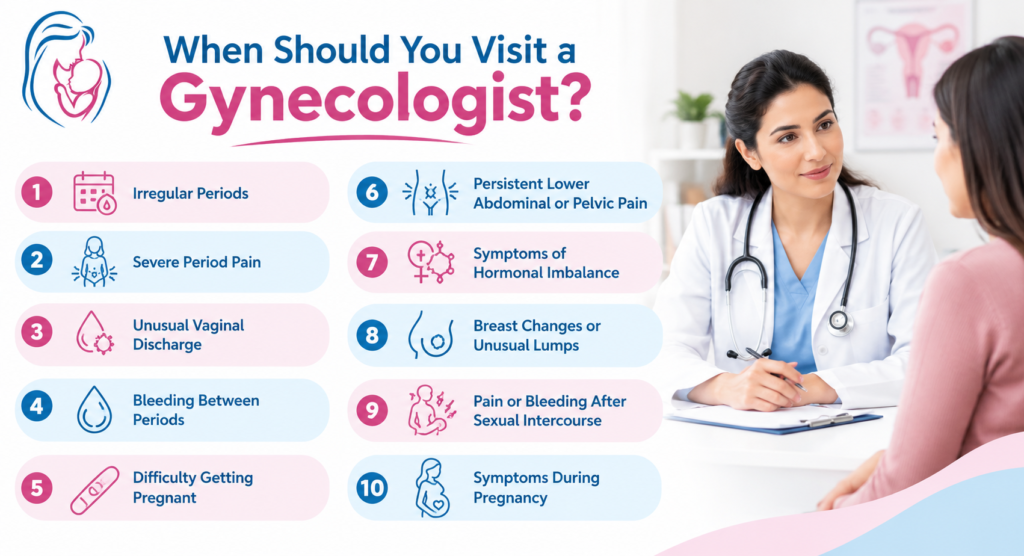
Let’s look at 10 symptoms women should never ignore.
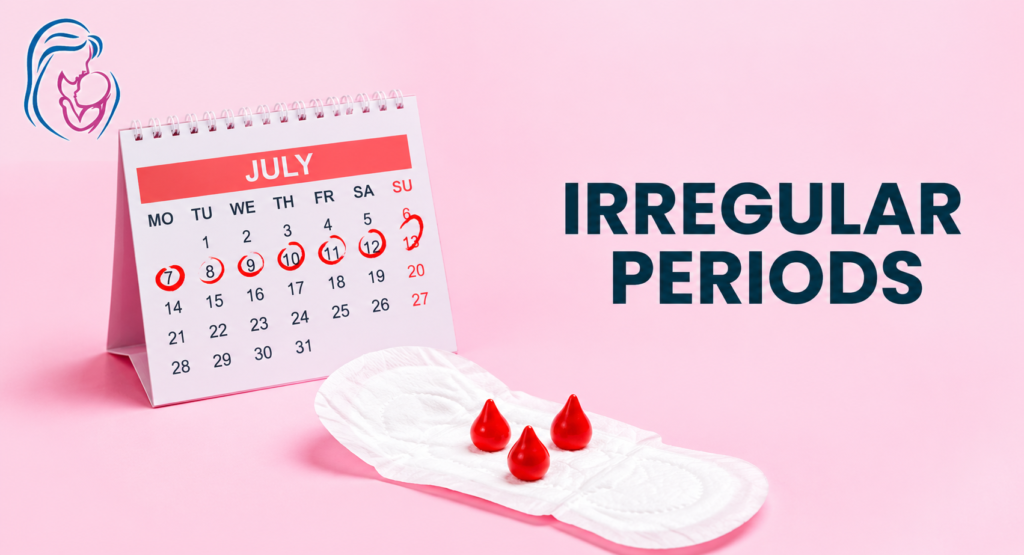
1. Irregular Periods
Periods do not always arrive on the exact same date every month. However, frequent changes in your menstrual cycle may need attention.
If your periods are regularly delayed, come too frequently, or sometimes stop for several months, hormonal changes or other health conditions may be responsible.
Common causes include polycystic ovary syndrome (PCOS), thyroid problems, stress, significant weight changes, and certain medications.
If your periods have suddenly become irregular or you frequently miss them, consult the Best Gyno Doctor in Indore for an appropriate evaluation.
2. Severe Period Pain

Mild cramps during menstruation are common. However, severe pain that affects your daily activities should not be considered normal.
Some women experience pain so intense that they cannot attend work, sleep properly, or complete their usual activities.
Severe menstrual pain can sometimes be linked to conditions such as endometriosis, adenomyosis, or uterine fibroids.
If your period pain is getting worse or painkillers are no longer providing relief, speak with a gynecologist. Finding the underlying cause can help you get the right treatment and improve your quality of life.
3. Unusual Vaginal Discharge
Vaginal discharge is a natural part of the female reproductive system. Its amount and consistency can change during the menstrual cycle.
However, a sudden change in discharge may indicate an infection or another health concern, especially when accompanied by itching, burning, or discomfort.
Pay attention if you notice a strong or unpleasant smell, unusual yellow or green discharge, or discharge accompanied by pelvic pain.
Avoid using vaginal washes or taking medicines without knowing the cause. A consultation with the Best Gyno Doctor in Indore can help identify the problem and determine the appropriate treatment.
4. Bleeding Between Periods
Light spotting can sometimes occur because of hormonal changes, contraception, or ovulation. However, repeated bleeding between periods should not be ignored.
Bleeding after sexual intercourse or bleeding that occurs unexpectedly may have several causes, including cervical changes, infections, polyps, or other gynecological conditions.
If you have missed a period and experience unusual bleeding, consider taking a pregnancy test. Bleeding during pregnancy requires medical advice.
Heavy bleeding accompanied by severe pain, dizziness, or fainting needs urgent medical attention.
5. Difficulty Getting Pregnant
Trying to conceive can be an emotional experience, especially when pregnancy does not happen as expected.
Difficulty getting pregnant may be related to problems with ovulation, fallopian tubes, the uterus, or sperm health. Conditions such as PCOS and endometriosis may also affect fertility in some women.
In general, fertility evaluation is recommended after 12 months of regular, unprotected intercourse if the woman is under 35, or after 6 months if she is 35 or older. Women over 40 or those with known fertility concerns may benefit from earlier evaluation.
The Best Gyno Doctor in Indore can guide you through suitable tests and treatment options. Both partners may need evaluation because fertility problems can affect either partner.
6. Persistent Lower Abdominal or Pelvic Pain
Occasional mild abdominal discomfort can happen for many reasons. But persistent or recurring pain in the lower abdomen or pelvic area deserves attention.
Possible causes include ovarian cysts, endometriosis, pelvic infections, urinary problems, or digestive conditions.
You may also experience pain during sexual intercourse or discomfort that becomes worse around your period.
Do not assume that every type of pelvic pain is related to menstruation. Sudden, severe pain, particularly with vomiting, fever, dizziness, or possible pregnancy, requires urgent medical assessment.
7. Symptoms of Hormonal Imbalance
Hormones influence periods, skin, hair growth, weight, mood, and reproductive health.
Some women notice persistent acne, increased facial hair, unexplained weight changes, hair thinning, or irregular periods when their hormone levels are affected.
These symptoms can occur with PCOS, thyroid disorders, or other conditions. However, having one symptom does not automatically mean you have a hormonal problem.
A doctor may recommend blood tests or other investigations based on your symptoms and medical history.
If you notice several changes happening together, consult the Best Gyno Doctor in Indore to understand the possible cause.
8. Breast Changes or Unusual Lumps
Women should become familiar with how their breasts normally look and feel. Breast tenderness may occur before periods, but a new or unusual change should not be ignored.
Contact a healthcare professional if you notice a new breast lump, changes in breast shape, skin dimpling, nipple changes, or unusual nipple discharge.
Most breast changes are not caused by cancer, but some require further investigation. A doctor can examine the area and recommend imaging or other tests when necessary.
Do not wait for a lump to become painful before seeking advice.
9. Pain or Bleeding After Sexual Intercourse
Sexual intercourse should not regularly cause significant pain or bleeding.
Pain may occur because of vaginal dryness, infections, hormonal changes, pelvic floor problems, or conditions such as endometriosis.
Bleeding after intercourse can also have several causes, including cervical inflammation, polyps, or infections.
If the problem happens repeatedly, arrange a gynecological consultation. The Best Gyno Doctor in Indore can help identify the cause and suggest appropriate care.
There is no need to feel embarrassed about discussing these symptoms. They are important parts of reproductive health.
10. Symptoms During Pregnancy
Pregnancy brings many physical changes, and some discomfort can be normal. However, certain symptoms need immediate medical attention.
Heavy vaginal bleeding, severe abdominal pain, severe headache with vision changes, difficulty breathing, leaking of fluid, or a significant reduction in your baby’s usual movements should not be ignored.
Persistent vomiting with signs of dehydration also requires medical advice.
If you experience a warning sign during pregnancy, contact your maternity care provider promptly. For severe symptoms, seek emergency care rather than waiting for a routine appointment.
Regular antenatal checkups with the Best Gyno Doctor in Indore can help monitor your health and your baby’s development throughout pregnancy.
Why Are Regular Gynecological Checkups Important?
Many women visit a gynecologist only when they experience a problem. However, preventive care is also important.
Regular consultations provide an opportunity to discuss menstrual changes, contraception, pregnancy planning, fertility, menopause, and sexual health.
Your doctor may recommend cervical screening or other tests depending on your age, medical history, symptoms, and screening guidelines.
You do not need to wait until a symptom becomes severe before seeking advice. Early evaluation can help identify certain conditions and guide timely treatment.
When Should You Book an Appointment?
If you notice a change in your menstrual cycle, unusual discharge, persistent pelvic pain, hormonal symptoms, or difficulty conceiving, consider scheduling a consultation.
Before your appointment, it can help to note when your symptoms started, how often they occur, and whether they change during your menstrual cycle. Bring details of any medicines you take and previous medical reports if available.
The Best Gyno Doctor in Indore can review your concerns and recommend the next steps based on your individual needs.
Remember, every woman’s body is different. What matters is recognising unusual changes and getting the right advice instead of ignoring them.
Final Thoughts
Your body often gives you signs when something needs attention. Irregular periods, severe cramps, unusual discharge, unexpected bleeding, persistent pelvic pain, and difficulty conceiving are some symptoms worth discussing with a gynecologist.
These symptoms do not always indicate a serious condition, but finding the cause is important.
Taking care of your health does not mean worrying about every small change. It means understanding your body, recognising warning signs, and seeking medical advice when needed.
If you are experiencing any of these symptoms, consulting the Best Gyno Doctor in Indore can help you understand your condition and explore suitable treatment options.
Do not ignore persistent symptoms. Your health deserves timely attention and proper care.
Frequently Asked Questions (FAQs)
1. When should a woman visit a gynecologist?
A woman should consult a gynecologist for irregular periods, severe menstrual pain, unusual vaginal discharge, unexpected bleeding, pelvic pain, fertility concerns, or other persistent reproductive health symptoms. Routine preventive visits are also important.
2. Are irregular periods always a sign of a health problem?
No. Periods can change because of stress, lifestyle changes, hormonal fluctuations, or certain medications. However, frequent irregularity, missed periods, or sudden changes should be evaluated by a healthcare professional.
3. Is severe period pain normal?
Mild cramps are common during menstruation, but severe pain that affects daily activities may be linked to conditions such as endometriosis or fibroids. A medical evaluation can help identify the cause.
4. When should I consult a gynecologist for fertility problems?
Women under 35 are generally advised to seek fertility evaluation after 12 months of trying to conceive. Women aged 35 or older should generally seek advice after 6 months. Earlier evaluation may be appropriate when there are known fertility concerns or other risk factors.
5. How do I choose the Best Gyno Doctor in Indore?
Look for a qualified gynecologist with relevant experience, clear communication, appropriate diagnostic facilities, and a patient-focused approach. Choose a doctor who explains your treatment options and makes you comfortable discussing your concerns.