
How Regular Gynecological Checkups Can Protect Your Health: Advice from the Best Gynae in Indore

How Regular Gynecological Checkups Can Protect Your Health Many women visit a gynecologist only when they experience severe pain, irregular periods, unusual discharge, or difficulty getting pregnant. But gynecological care is not only about treating problems after they appear. Regular consultations can help women understand changes in their reproductive health and identify concerns that may need attention. Whether you are a teenager experiencing period problems, a woman planning pregnancy, a new mother, or approaching menopause, your healthcare needs can change with age. Choosing the Best Gynae in Indore can help you discuss these concerns openly and understand which checkups or investigations may be appropriate for your situation. Why Are Gynecological Checkups Important? Your reproductive health can change because of hormones, age, pregnancy, lifestyle, medications, stress, and other health conditions. Sometimes the symptoms are obvious. For example, you may notice very heavy periods or severe pelvic pain. But other problems may develop gradually. A consultation gives you an opportunity to discuss changes in your menstrual cycle, vaginal health, fertility, contraception, pregnancy planning, or other concerns. The Best Gynae in Indore should not simply focus on treating one symptom. A good consultation should consider your medical history, symptoms, age, reproductive goals, and overall health. 1. Understanding Changes in Your Periods Your menstrual cycle can provide useful information about your health. Occasional changes can happen, but repeated irregular periods, very heavy bleeding, unusually long periods, or bleeding between periods should not be ignored. For example, a woman who previously had regular periods may suddenly start getting them every 45 to 60 days. She may assume that stress is responsible and continue waiting. However, menstrual changes can have different causes, including PCOS, thyroid problems, changes in weight, pregnancy, stress, certain medications, and other hormonal or gynecological conditions. A gynecological consultation can help determine whether further evaluation is needed. 2. Detecting PCOS and Hormonal Problems PCOS is a common hormonal condition that may affect periods, ovulation, skin, hair growth, metabolism, and fertility. Some women experience irregular periods, acne, unwanted facial hair, weight changes, or difficulty becoming pregnant. However, these symptoms can also occur because of other conditions. This is why diagnosing yourself based on an internet search or one symptom is not recommended. If you are consulting the Best Gynae in Indore for possible PCOS, your doctor may discuss your menstrual history, symptoms, medical background, and pregnancy plans. Depending on your situation, blood tests or ultrasound may be recommended. The aim is to understand the underlying problem rather than simply treating one symptom. 3. Addressing Painful Periods Period cramps are common, but severe or worsening pain should not automatically be considered normal. Some women experience pain that makes it difficult to attend college, go to work, exercise, or complete their daily activities. If pain is severe, persistent, or associated with symptoms such as very heavy bleeding, pain during intercourse, or difficulty conceiving, a medical consultation may be appropriate. Conditions such as endometriosis, fibroids, ovarian cysts, and other gynecological problems can sometimes cause pelvic or menstrual pain. A gynecologist can decide whether further examination or investigations are needed. 4. Paying Attention to Abnormal Vaginal Discharge Vaginal discharge can be completely normal and can vary during the menstrual cycle. However, a change in discharge may sometimes indicate an infection or another condition, particularly when it is accompanied by itching, burning, unpleasant odor, pelvic pain, or unusual color. Instead of using random home remedies or taking medicines without knowing the cause, it is better to discuss persistent symptoms with a qualified healthcare professional. The Best Gynae in Indore can assess your symptoms and recommend appropriate treatment when necessary. 5. Supporting Pregnancy Planning Pregnancy planning is another important reason to consult a gynecologist. If you are planning a pregnancy, your doctor can discuss your medical history, menstrual cycle, medications, lifestyle, previous pregnancies, and any existing health conditions. Women with irregular periods, PCOS, previous pregnancy complications, or fertility concerns may benefit from discussing their plans before trying to conceive. Pre-pregnancy counselling can also help women understand important aspects of pregnancy preparation, including nutrition, supplements when indicated, vaccinations, and management of existing health conditions. 6. Monitoring Women’s Health After Pregnancy Gynecological care does not end after delivery. After pregnancy, women may experience physical and hormonal changes. Some may have concerns about vaginal bleeding, pelvic discomfort, breastfeeding-related changes, contraception, periods returning, or recovery after a C-section. Postpartum care provides an opportunity to discuss these concerns and identify problems that may require medical attention. Women should not hesitate to seek professional advice if something does not feel right during recovery. 7. Discussing Contraception and Family Planning Every woman and couple can have different family-planning goals. Some may want to delay pregnancy, while others may want to plan another pregnancy after a specific interval. A gynecologist can explain available contraception options and discuss their potential benefits, risks, and suitability based on an individual’s medical history and preferences. Rather than choosing a method only because a friend or relative uses it, discuss your own circumstances with a healthcare professional. 8. Women’s Health During Perimenopause and Menopause As women approach menopause, menstrual cycles can become irregular. Hot flashes, sleep problems, mood changes, vaginal dryness, and other symptoms may also occur. These changes are common, but they can sometimes be confused with other health conditions. A gynecologist can help determine whether symptoms are related to perimenopause or whether another evaluation is appropriate. Women should also discuss persistent or unusual bleeding after menopause with a healthcare professional rather than assuming it is part of normal aging. When Should You See a Gynecologist? You do not necessarily need to wait for a serious symptom before seeking gynecological care. Consider making an appointment if you experience: The right timing and type of checkup can vary from woman to woman. Your doctor can recommend care based on your age, symptoms, medical history, and individual risk factors. How Can You Prepare for Your Appointment? Many women feel nervous before a gynecological consultation, especially when discussing sensitive concerns. You can make the
Best Gynae in Indore for PCOS, Period Problems and Hormonal Imbalance
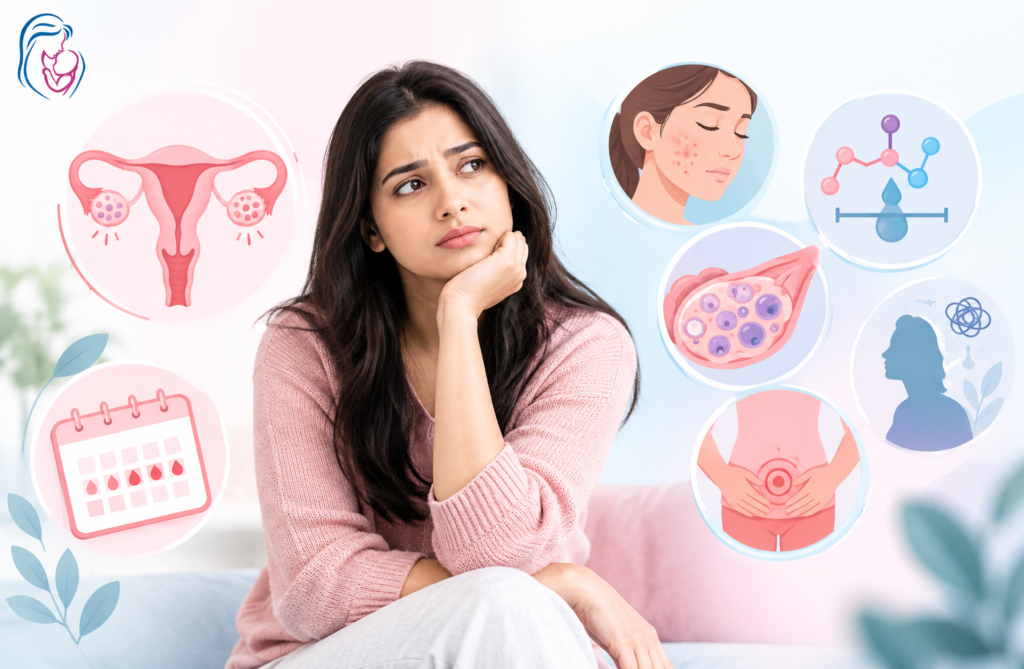
A period that comes late every month, sudden weight gain, stubborn acne, unwanted facial hair, or difficulty getting pregnant can leave a woman wondering, “Is this just a hormonal problem, or is something else happening inside my body?” These concerns are common, but they should not always be ignored. Conditions such as PCOS, thyroid problems, stress, changes in weight, and other hormonal issues can affect the menstrual cycle. When symptoms continue or start affecting daily life, speaking with a qualified gynecologist can help identify the actual cause. If you are searching for the Best Gynae in Indore, it is important to look for a doctor who listens to your symptoms, evaluates the possible causes, and explains the treatment options according to your individual needs. What Is PCOS and Why Does It Affect Periods? Polycystic ovary syndrome, commonly called PCOS, is a hormonal condition that can affect periods, ovulation, fertility, skin, hair growth, and metabolism. Many women first notice PCOS because their periods become irregular. One month the period may come after 30 days, another month after 45 or 60 days, and sometimes it may be missed altogether. Other possible symptoms include acne, increased facial or body hair, hair thinning, weight changes, and difficulty getting pregnant. However, having one or two of these symptoms does not automatically mean you have PCOS. Several other health conditions can cause similar problems. This is why self-diagnosis based only on symptoms or an ultrasound report may not be enough. Irregular Periods Are Not Always PCOS Imagine a young woman who usually has regular periods but suddenly starts missing them after months of intense stress and poor sleep. She may immediately search online and assume she has PCOS. But irregular periods can have many possible causes. Pregnancy, significant weight changes, stress, excessive exercise, thyroid problems, hormonal contraception, and PCOS can all affect the menstrual cycle. That is why a proper consultation matters. A gynecologist may ask about your menstrual history, weight changes, acne, unwanted hair growth, medications, pregnancy plans, lifestyle, and family history. Depending on your symptoms, blood tests or an ultrasound may also be recommended. What Does Hormonal Imbalance Feel Like? “Hormonal imbalance” is a broad term. Hormones control several important functions in the body, including menstruation and ovulation. A woman may notice: These symptoms can occur for different reasons, so treatment should be based on the underlying problem rather than simply trying to “balance hormones.” For example, thyroid disorders can also cause menstrual changes. When Should You Consult a Gynecologist? You do not need to wait until your symptoms become severe. Consider scheduling a gynecological consultation if: For example, if you have missed three periods in a row, medical evaluation is recommended. How Is PCOS Diagnosed? One common misconception is that seeing “polycystic ovaries” on an ultrasound automatically means you have PCOS. That is not necessarily true. Diagnosis involves looking at your symptoms, menstrual pattern, hormone-related signs or blood tests, and sometimes ultrasound findings. Clinical guidelines and patient information commonly describe PCOS diagnosis using a combination of features rather than an ultrasound alone. Your doctor may recommend blood tests to evaluate hormone levels and other possible causes. Depending on your situation, screening related to blood sugar or metabolic health may also be considered. The exact tests depend on your symptoms, age, medical history, and whether you are trying to become pregnant. Can PCOS Be Treated? PCOS is generally a long-term condition, but its symptoms and associated health concerns can be managed. Treatment depends on what symptoms you have and your goals. For someone who is not currently planning pregnancy, treatment may focus on regulating periods and managing symptoms such as acne or unwanted hair growth. For someone trying to conceive, the focus may be on improving ovulation and addressing fertility concerns. Lifestyle changes can also be an important part of PCOS management. Regular physical activity, balanced nutrition, adequate sleep, and maintaining a healthy weight when appropriate can support overall health and menstrual management. Medication should only be taken after discussing your individual situation with a qualified healthcare professional. What About Painful or Heavy Periods? Period pain is common, but severe pain that repeatedly interferes with your normal activities should not simply be dismissed as “normal.” Similarly, very heavy bleeding, prolonged periods, or bleeding between periods deserves medical attention. There can be different reasons for abnormal bleeding, including hormonal changes and gynecological conditions. A doctor may recommend an examination, blood tests, ultrasound, or other investigations depending on your symptoms. Keeping a simple period diary can help. Note the first day of your period, number of bleeding days, approximate flow, pain level, spotting, and other symptoms. This information can make your consultation more useful. What Should You Look for When Choosing a Gynecologist in Indore? When looking for the Best Gynae in Indore, do not focus only on online ratings or a single symptom. Consider whether the doctor: Women often feel uncomfortable discussing periods, vaginal symptoms, infertility, or hormonal changes. A consultation should give you a comfortable environment to discuss these concerns openly. Your Periods Are Giving You Information Your menstrual cycle can tell you a lot about your reproductive and overall health. A delayed period once in a while may not mean there is a serious problem. But repeated irregular periods, heavy bleeding, severe pain, acne, unwanted hair growth, or fertility difficulties deserve attention. Instead of repeatedly searching for home remedies or taking medicines without guidance, consider discussing persistent symptoms with a qualified gynecologist. If you are looking for the Best Gynae in Indore for PCOS, period problems, or hormonal concerns, choose a professional who evaluates your complete health picture and creates a treatment plan based on your individual needs. Early evaluation can help you understand what is actually causing your symptoms and what steps may be appropriate for your health. Frequently Asked Questions (FAQs) 1. Can irregular periods mean I have PCOS? Not necessarily. Irregular periods can have several causes, including PCOS, thyroid problems, stress, pregnancy, major weight changes, and other hormonal conditions.
White Discharge in Women: Causes, Symptoms and When to Consult a Women Specialist near Me
White discharge is something many women notice at different stages of life. Sometimes it is completely normal, while at other times it can be a sign that your body needs attention. The important thing is to understand the difference instead of feeling embarrassed or ignoring the symptoms. If you have searched online for a Women Specialist near Me because of unusual vaginal discharge, you are not alone. Many women experience changes in discharge due to hormonal changes, periods, pregnancy, infections, stress, or other health conditions. So, how do you know when white discharge is normal and when you should see a doctor? Let us understand it step by step. What Is White Discharge? White discharge, also called vaginal discharge, is a natural fluid produced by the vagina and cervix. It helps keep the vagina clean and maintains its normal environment. Normal discharge may look: The amount and texture can change throughout the menstrual cycle. For example, some women notice more discharge around ovulation. Hormonal changes can also increase discharge during pregnancy. However, if the discharge suddenly changes in colour, smell, consistency, or amount, it may need medical attention. When Is White Discharge Normal? Imagine a woman noticing a small amount of clear or white discharge on her underwear a few days before her period. There is no itching, burning, pain, or unusual smell. In many cases, this is simply part of the body’s normal cycle. Normal vaginal discharge generally does not cause significant discomfort. You may notice changes during: If there are no concerning symptoms, there may not be a reason to worry. However, if you are unsure about the changes, consulting a Women Specialist near Me can help you understand whether the discharge is normal for you. Common Causes of Abnormal White Discharge Not every change in discharge means an infection, but some patterns can indicate an underlying problem. 1. Vaginal Yeast Infection A yeast infection can cause thick, white discharge that may resemble cottage cheese. It is often accompanied by: If these symptoms occur together, it is better to consult a Women Specialist near Me instead of self-treating repeatedly. 2. Bacterial Vaginosis Bacterial vaginosis occurs when the normal balance of bacteria in the vagina changes. Discharge may become thin and greyish-white and can have a noticeable fishy smell. Some women may not experience obvious symptoms, while others notice changes in discharge or odour. A Women Specialist near Me can assess your symptoms and recommend appropriate treatment if required. 3. Sexually Transmitted Infections Certain sexually transmitted infections can cause unusual vaginal discharge. The discharge may be yellowish, greenish, or otherwise different from your usual discharge. Other symptoms can include: If there is a possibility of an STI, medical evaluation is important. A Women Specialist near Me can guide you about the appropriate tests and treatment. 4. Hormonal Changes Hormones have a major role in vaginal discharge. Changes during puberty, ovulation, pregnancy, breastfeeding, or around menopause can affect the amount and consistency of discharge. For some women, increased discharge may simply reflect normal hormonal fluctuations. However, persistent or unusual changes should be discussed with a Women Specialist near Me. 5. Cervical or Vaginal Inflammation Inflammation or irritation of the vagina or cervix may also change the appearance or amount of discharge. It can sometimes occur along with pelvic discomfort, bleeding after intercourse, or pain. These symptoms should not be ignored. Symptoms That Should Not Be Ignored The appearance of discharge is not the only thing that matters. Pay attention to other symptoms occurring at the same time. You should consider consulting a Women Specialist near Me if you experience: These symptoms do not automatically mean that you have a serious condition. However, they deserve proper evaluation. White Discharge During Pregnancy Pregnancy can naturally cause an increase in vaginal discharge due to hormonal changes and increased blood flow to the pelvic area. Normal pregnancy discharge is generally thin, clear, or milky white and does not have a strong unpleasant smell. However, pregnant women should be particularly careful if discharge is associated with itching, burning, bad odour, blood, pain, or a sudden watery leakage. If you are pregnant and notice a sudden gush or continuous leakage of watery fluid, contact your obstetrician promptly rather than assuming it is normal discharge. A Women Specialist near Me can help distinguish normal pregnancy discharge from symptoms that require further assessment. Can Poor Hygiene Cause White Discharge? Vaginal hygiene is important, but excessive cleaning can actually cause irritation. The vagina naturally maintains its own healthy environment. Using strongly scented soaps, vaginal washes, deodorants, or repeatedly washing inside the vagina may disturb the natural balance. For everyday hygiene: If discharge continues despite maintaining good hygiene, consult a Women Specialist near Me to identify the actual cause. Why You Should Avoid Self-Treatment One common mistake is taking medication based only on the appearance of discharge. For example, thick white discharge may occur with a yeast infection, but similar symptoms can sometimes occur with other conditions. Using the wrong medicine may not solve the problem and can sometimes delay the correct diagnosis. A Women Specialist near Me can ask about your symptoms, menstrual cycle, medical history, pregnancy status, and other relevant factors. Depending on the situation, an examination or laboratory test may be recommended. When Should You Consult a Women Specialist near Me? You do not need to panic every time you notice white discharge. But if the discharge is new, persistent, unusual, or accompanied by other symptoms, professional advice is worthwhile. Searching for a Women Specialist near Me can be a practical first step when you want a convenient consultation for concerns related to vaginal discharge, periods, infections, hormonal problems, PCOS, pregnancy, or other women’s health issues. Remember, vaginal discharge is a symptom, not a diagnosis. Finding the underlying cause is the key to appropriate treatment. Final Thoughts White discharge is a normal part of vaginal health for many women. Its amount and consistency can change naturally throughout the menstrual cycle and during different stages of life.
Menstrual Health Guide: Common Period Problems and When to See a Women Specialist near Me
For many women, periods are something they simply learn to live with. A few days of bleeding every month, some cramps, mood changes, tiredness, and life goes on. But what happens when your period suddenly becomes very painful, unusually heavy, irregular, or completely different from what you normally experience? This is where understanding your menstrual health becomes important. Knowing what is normal for your body can help you recognize when something needs medical attention. If you are searching for a Women Specialist near Me, it may be because you have noticed changes in your periods and want to understand what they mean. Understanding Your Menstrual Cycle Your menstrual cycle is more than just the days when you have bleeding. It is a monthly process controlled by hormones that prepares your body for a possible pregnancy. A menstrual cycle is commonly around 21 to 35 days in adults, although it can vary from woman to woman. The cycle includes different phases, including menstruation, the follicular phase, ovulation, and the luteal phase. Some women have periods that arrive like clockwork, while others may experience small variations from month to month. Tracking your period can help you understand your own pattern. You can note the first day of bleeding, how long your period lasts, the amount of bleeding, pain levels, and other symptoms. This simple habit can also give a Women Specialist near Me useful information if you need a consultation. Common Period Problems Women Experience Period problems are common, but that does not mean you should always ignore them. Sometimes changes are temporary, while persistent symptoms may need evaluation. 1. Painful Periods Mild cramps during menstruation are common. They happen because the uterus contracts to help shed its lining. However, pain that is severe enough to make you miss work, school, or daily activities should not simply be accepted as “normal period pain.” Severe menstrual pain can sometimes be associated with conditions such as endometriosis, adenomyosis, or fibroids. A Women Specialist near Me can discuss your symptoms and determine whether further evaluation is needed. 2. Heavy Menstrual Bleeding Some women naturally have heavier periods, but unusually heavy bleeding can interfere with everyday life and may sometimes lead to anemia. If you frequently need to change sanitary products very often, pass large blood clots, bleed for longer than usual, or feel unusually tired or weak during your periods, it is worth discussing these symptoms with a doctor. A Women Specialist near Me can help identify possible causes and suggest appropriate tests or treatment when needed. 3. Irregular Periods Does your period sometimes arrive after 25 days and other times after 45 days? Occasional variation can happen, but consistently irregular periods deserve attention. Stress, changes in weight, excessive exercise, thyroid problems, PCOS, hormonal changes, and other factors can affect menstrual cycles. Instead of trying to guess the cause yourself, consider speaking with a Women Specialist near Me if your periods remain irregular or have changed significantly. 4. Missed Periods A missed period can happen for many reasons. Pregnancy is one possibility for women who are sexually active, but it is not the only one. Stress, significant weight changes, hormonal imbalance, PCOS, thyroid disorders, excessive exercise, and certain medications can also affect periods. If missed periods happen repeatedly, a Women Specialist near Me can help determine the underlying reason. 5. Spotting Between Periods A small amount of spotting can sometimes occur around ovulation or because of hormonal changes. However, bleeding between periods that keeps happening should not be ignored. The cause can vary depending on age, menstrual history, contraception, pregnancy status, and other health factors. A medical consultation can help clarify whether investigation is required. When Should You Consult a Women Specialist near Me? One of the most common mistakes women make is waiting until their symptoms become difficult to manage. You do not necessarily need to wait for severe pain or heavy bleeding before seeking advice. A consultation with a Women Specialist near Me may be helpful if: A doctor will usually ask about your menstrual history, symptoms, lifestyle, medications, pregnancy possibility, and other relevant health factors. Depending on your symptoms, they may recommend an examination, blood tests, ultrasound, or other investigations. How Can You Take Better Care of Your Menstrual Health? You do not need a complicated routine to start paying attention to your menstrual health. Begin by tracking your cycle. Note when your period starts and ends and record symptoms such as pain, heavy bleeding, headaches, bloating, or mood changes. Eating a balanced diet, staying physically active, getting adequate sleep, managing stress, and staying hydrated can also support general health. Most importantly, listen to your body. If something feels different from your usual pattern and continues to happen, do not dismiss it simply because it is related to periods. A Women Specialist near Me can help you understand whether your symptoms are part of a normal menstrual variation or whether they require further evaluation. Your Periods Are Part of Your Health Periods are not something women should feel embarrassed about discussing. Your menstrual cycle can provide useful information about your overall reproductive and hormonal health. Maybe you have always had painful periods. Maybe your cycle has recently become irregular. Or perhaps your bleeding has become heavier over the last few months. These changes are worth understanding rather than simply tolerating. If you are concerned about your menstrual health, searching for a Women Specialist near Me can be a practical first step toward getting the right medical guidance. Remember, every woman’s menstrual cycle is different. What matters most is knowing your own normal pattern and recognizing when something changes. Frequently Asked Questions (FAQs) 1. When should I search for a Women Specialist near Me for period problems? You can consider consulting a Women Specialist near Me if you have severe period pain, unusually heavy bleeding, repeated irregular periods, missed periods, spotting between periods, or a noticeable change in your usual menstrual pattern. 2. Are painful periods always normal? Mild to moderate cramps
Understanding Menstrual Cycles and Managing Period Problems
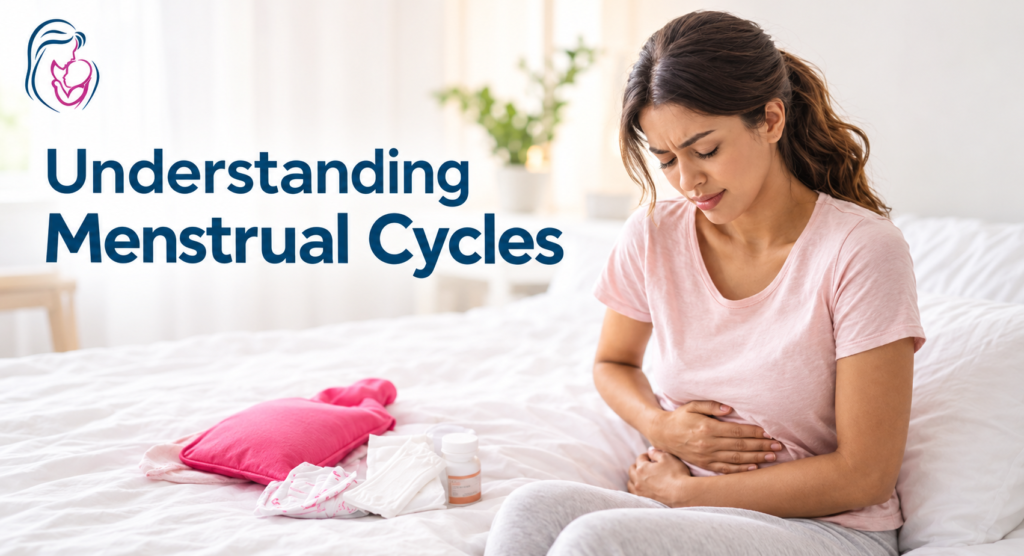
For many women, periods are something they simply learn to live with. The cramps, mood changes, tiredness, bloating, headaches, or heavy bleeding may become a monthly routine. Some women quietly carry pain for years because they believe, “Periods are supposed to hurt.” Others may search online for a Women Specialist near Me only when the pain becomes difficult to manage. But your period is not just a monthly inconvenience. It can provide important information about your overall reproductive and hormonal health. Understanding your menstrual cycle can help you recognize what is normal, what may need attention, and when it is time to consult a Women Specialist near Me. What Exactly Is a Menstrual Cycle? A menstrual cycle is the series of hormonal changes that prepares your body for a possible pregnancy each month. The first day of your period is considered Day 1 of the menstrual cycle. During the cycle, hormones help an egg mature in the ovary. Around ovulation, the egg may be released. If pregnancy does not occur, hormone levels fall and the uterine lining sheds, causing your next period. While a 28-day cycle is often used as an example, cycles can naturally vary from woman to woman. This is why comparing your period with your sister, friend, or someone you see on social media may not always be useful. If you are unsure whether your cycle pattern is normal, discussing it with a Women Specialist near Me can provide more personalized guidance. A Simple Story Many Women Can Relate To Imagine a young woman named Riya. Every month, Riya experienced severe cramps during the first two days of her period. She would take painkillers, miss college or work, and spend hours resting in bed. When her friends asked, she would simply say, “It’s normal. Everyone gets period pain.” For almost a year, she ignored the problem. One month, her pain became much stronger than usual. She also noticed that her periods had become heavier and lasted longer. This time, instead of ignoring the symptoms, she decided to look for a Women Specialist near Me. After discussing her symptoms and menstrual history, her doctor recommended appropriate evaluation. Riya’s story highlights something important: period pain should not automatically be considered normal just because it happens every month. Some discomfort can occur during menstruation, but severe or worsening symptoms deserve attention. Common Period Problems Women Experience Menstrual problems can look different for different women. Some experience mild changes, while others find that their periods interfere with daily life. 1. Painful Periods Mild cramps can occur because the uterus contracts during menstruation. However, severe pain that prevents you from working, studying, sleeping, or carrying out normal activities should not simply be ignored. If your pain is consistently severe or suddenly becomes worse, consult a Women Specialist near Me for proper evaluation. 2. Heavy Menstrual Bleeding Some women have heavier periods occasionally. But very heavy bleeding can become a concern, especially if you need to change sanitary products very frequently or your periods interfere with everyday activities. Heavy bleeding may sometimes be associated with hormonal changes, fibroids, thyroid problems, certain medications, or other gynecological conditions. A Women Specialist near Me can help identify the possible cause instead of treating heavy bleeding as something you simply have to tolerate. 3. Irregular Periods Your period may sometimes come earlier or later than expected. Stress, changes in weight, excessive exercise, hormonal fluctuations, PCOS, thyroid disorders, and other factors can influence menstrual cycles. If irregular periods happen repeatedly, keeping track of your cycle and discussing the pattern with a Women Specialist near Me can be helpful. 4. Periods That Suddenly Change Your usual period pattern can change over time. For example, your periods may suddenly become: A sudden change does not always mean something serious, but it is worth understanding why it is happening. How Can You Understand Your Menstrual Cycle Better? One of the easiest things you can do is track your periods. You can use a calendar, notebook, or period-tracking app to record: Over a few months, this information can reveal patterns that may otherwise be easy to miss. For example, you may discover that your period is regularly becoming heavier or that severe pain occurs during every cycle. When you visit a Women Specialist near Me, having this information can also make your consultation more useful. What Can Help With Period Problems? The right treatment depends on the cause. For mild menstrual discomfort, some women may find relief from adequate rest, gentle physical activity, warmth over the lower abdomen, proper hydration, and other healthy habits. But home remedies should not replace medical evaluation when symptoms are severe, persistent, or unusual. A doctor may recommend treatment depending on the underlying problem. This could involve medicines, hormonal treatment, investigations, or management of a specific gynecological condition. The goal should not simply be to “get through” every period. The goal is to understand why the problem is happening and how it can be managed safely. When Should You Consult a Women Specialist? You should consider consulting a Women Specialist near Me if: If you are searching online for a Women Specialist near Me, don’t choose based only on convenience. Look for a qualified gynecologist who can understand your symptoms, medical history, and individual needs. Don’t Ignore What Your Period Is Telling You Your menstrual cycle is not something you need to fear or feel embarrassed about. It is a natural part of women’s health, but changes in your cycle can sometimes be your body’s way of asking for attention. Instead of silently adjusting your lifestyle around severe cramps, heavy bleeding, or irregular periods, take a moment to understand what is happening. If you have been repeatedly searching for a Women Specialist near Me because of the same menstrual problem, that may be a good reason to schedule a consultation rather than continuing to manage the symptoms alone. Listening to your body is not overreacting. It is a part of taking care of yourself. Frequently Asked
How to Maintain Vaginal Health and Hygiene?
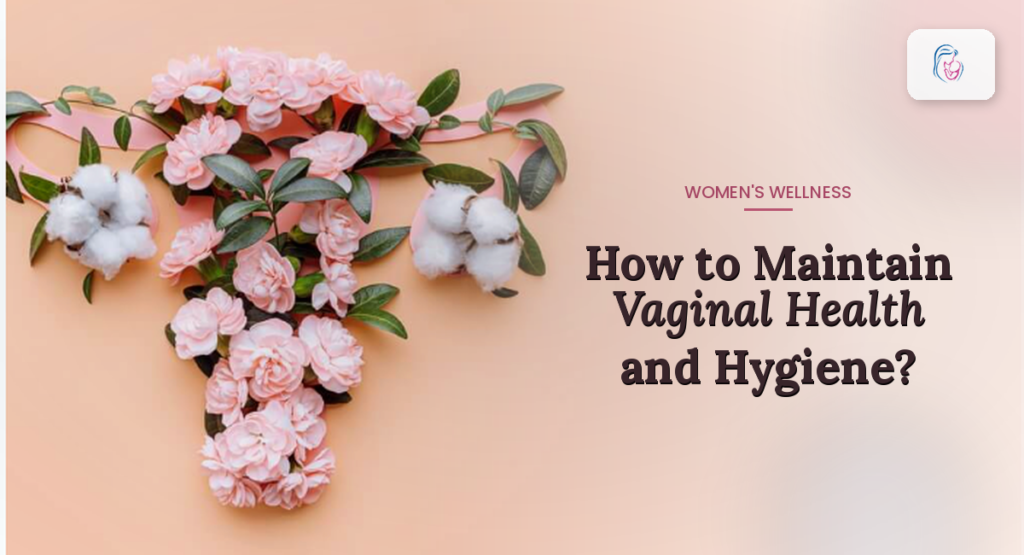
Vaginal health is an important part of a woman’s overall well-being, but it is often not discussed openly. Many women have questions about hygiene, discharge, odour, itching, and the right way to care for their intimate area. One important thing to remember is that the vagina is naturally designed to maintain its own healthy environment. It does not need excessive cleaning or strong products. In fact, using the wrong products or following unnecessary hygiene practices can sometimes cause irritation and disturb the natural balance of the area. Simple daily habits can help maintain good vaginal and vulvar health. If you experience persistent itching, burning, unusual discharge, or any other concerning symptoms, consulting the Best Gynecologist in Indore can help you understand the possible cause and receive appropriate advice. Understand the Difference Between the Vagina and Vulva Many people use the word “vagina” to describe the entire intimate area, but medically, there is a difference. The vulva is the external part of the female genital area. The vagina is the internal muscular canal. When we talk about daily hygiene, it is mainly the external vulvar area that needs gentle cleaning. The inside of the vagina generally cleans itself naturally. Trying to clean inside the vagina with soaps, washes, or other products may disturb its normal environment. Keep Your Intimate Area Clean, But Do Not Overclean Good hygiene does not mean washing repeatedly throughout the day. Washing the external area gently with water is usually enough for daily care. If you choose to use a cleanser, it should be mild and should not cause irritation. Strong soaps, heavily fragranced products, and harsh chemicals may cause dryness or discomfort in some women. The goal should be cleanliness without disturbing the natural protective environment of the vagina. If you frequently experience irritation after using a particular hygiene product, stop using it and discuss your symptoms with the Best Gynecologist in Indore. Avoid Scented Feminine Hygiene Products Many feminine hygiene products are marketed as necessary for keeping the intimate area “fresh.” However, the vagina does not need perfumes or fragrances. Scented sprays, powders, washes, wipes, and similar products can irritate sensitive skin. Some products may also disturb the natural balance of the vaginal area. A mild natural scent is normal. A strong or unpleasant smell that is new or persistent, especially when accompanied by unusual discharge, should be medically evaluated instead of simply covered with a fragrance. Wear Comfortable and Breathable Clothing Tight clothing can trap heat and moisture around the genital area. This may lead to sweating and discomfort. Cotton underwear is often comfortable and breathable. Changing out of sweaty workout clothes or wet clothing as soon as possible can also help keep the area dry and comfortable. You do not need to follow complicated rules. The main idea is to avoid staying in damp clothes for long periods. Practice Good Menstrual Hygiene Maintaining proper hygiene during periods is also important. Sanitary pads, tampons, menstrual cups, or other menstrual products should be used according to their instructions and changed regularly. Choose a menstrual product that feels comfortable and suits your needs. It is also helpful to wash your hands before and after changing menstrual products. Good menstrual hygiene can reduce discomfort and help you feel fresh during your period. If you experience unusually heavy bleeding, severe period pain, or significant changes in your menstrual cycle, consider discussing them with the Best Gynecologist in Indore. Pay Attention to Vaginal Discharge Vaginal discharge is normal and can change during different stages of the menstrual cycle. The amount and consistency may vary around ovulation, before periods, or during pregnancy. Normal discharge is usually not associated with severe itching, burning, or pain. However, a sudden change in the colour, smell, or consistency of discharge may need attention, especially if it is accompanied by discomfort. Do not try to treat every type of discharge with over-the-counter medication without knowing the cause. Different conditions can cause similar symptoms, and the correct treatment depends on the actual reason. Maintain Safe Sexual Health Practices Sexual health is also an important part of vaginal health. Practising safer sex can help reduce the risk of sexually transmitted infections. Using appropriate protection and maintaining good personal hygiene can support reproductive and sexual health. If you experience pain during sex, bleeding after sex, unusual discharge, sores, or persistent irritation, it is important to seek medical advice. A consultation with the Best Gynecologist in Indore can help identify the possible cause without embarrassment or judgment. Do Not Ignore Persistent Symptoms Occasional mild irritation may happen for several reasons, including sweating, friction, or sensitivity to a product. However, symptoms that continue or keep returning should not be ignored. Pay attention to the following signs: These symptoms can have different causes. A proper examination can help identify the reason and avoid unnecessary self-treatment. Avoid Unnecessary Home Remedies The internet is full of home remedies for intimate health. Some suggest inserting substances, oils, herbs, or other products into the vagina. These methods may not be safe for everyone and can sometimes cause irritation or disturb the natural vaginal environment. It is better to avoid experimenting with products inside the vagina without medical advice. If you have recurring symptoms, the Best Gynecologist in Indore can help identify whether the problem is related to an infection, skin irritation, hormonal changes, or another health concern. Support Your Overall Health Your general health can also influence your reproductive and vaginal health. A balanced diet, adequate water intake, regular physical activity, sufficient sleep, and stress management can support overall well-being. For women with conditions such as diabetes or hormonal disorders, managing the underlying condition may also be important for reducing certain health concerns. There is no single food or product that guarantees perfect vaginal health. Simple and consistent healthy habits are usually more helpful than complicated routines. When Should You Visit a Gynecologist? You should consider visiting a gynecologist when you notice symptoms that are persistent, unusual, painful, or affecting your daily life. For
5 Common Symptoms of Infertility in Women
Infertility is a concern for many couples who are trying to start or grow their family. In simple terms, infertility means difficulty in achieving pregnancy despite regular unprotected sexual intercourse for a certain period of time. One important thing to understand is that infertility does not always have obvious symptoms. Many women may have regular periods and feel completely healthy but still face difficulty conceiving. In other cases, certain signs may indicate an underlying condition that could affect fertility. If you have been trying to conceive without success or are worried about changes in your menstrual cycle, consulting the Best Gynecologist in Indore can help you understand your reproductive health and identify whether further evaluation is needed. What Is Female Infertility? Female infertility can happen when there is a problem affecting ovulation, the fallopian tubes, the uterus, or other parts of the reproductive system. Hormonal conditions can also affect a woman’s ability to ovulate regularly. However, infertility is not always related only to women. Fertility depends on both partners, and male factors can also contribute to difficulty in achieving pregnancy. That is why couples should avoid blaming themselves or assuming that one partner is responsible. A proper medical evaluation can help identify possible causes. 1. Irregular or Absent Periods Irregular periods can sometimes be a sign that ovulation is not happening regularly. Ovulation is an important part of conception because an egg needs to be released for pregnancy to occur. Some women may have very long menstrual cycles, frequently missed periods, or periods that occur unpredictably. Conditions such as PCOS, thyroid disorders, significant weight changes, excessive exercise, and other hormonal factors can affect the menstrual cycle. Occasional changes in periods may happen because of stress or lifestyle changes. However, if your periods are regularly irregular or absent, consulting the Best Gynecologist in Indore can help identify the possible reason. 2. Very Painful or Heavy Periods Some women experience mild cramps during menstruation, which can be normal. However, very painful periods or unusually heavy bleeding should not always be ignored. Severe menstrual pain may sometimes be associated with conditions such as endometriosis, fibroids, or adenomyosis. Some of these conditions may also affect fertility in certain women. Similarly, very heavy or prolonged bleeding can sometimes indicate an underlying gynecological concern. If period pain regularly affects your daily routine, work, sleep, or quality of life, it is a good idea to discuss it with a gynecologist. 3. Pelvic Pain Persistent or recurring pelvic pain can sometimes be associated with reproductive health conditions. For example, women with endometriosis may experience chronic pelvic pain, painful periods, or pain during sexual intercourse. Ovarian cysts and pelvic infections can also cause pelvic discomfort. It is important to remember that pelvic pain does not always mean infertility. Many other conditions can cause pain in the lower abdomen. However, if pelvic pain keeps returning or becomes severe, a medical evaluation can help determine the cause. The Best Gynecologist in Indore can assess your symptoms and recommend appropriate investigations if required. 4. Hormonal Changes Certain hormonal changes may affect both the menstrual cycle and ovulation. Some women may notice symptoms such as persistent acne, excessive facial or body hair, significant hair loss, or unexplained weight changes. For example, PCOS is a common hormonal condition that can affect ovulation. Some women with PCOS may experience irregular periods, acne, weight changes, or increased facial hair. However, these symptoms do not always mean that a woman has PCOS or infertility. They can occur for several reasons. A proper evaluation is important to understand whether hormonal factors are affecting your reproductive health. 5. Difficulty Getting Pregnant The most common sign of infertility is difficulty conceiving despite trying for pregnancy. In general, couples may be advised to seek medical evaluation if pregnancy has not occurred after a period of regular unprotected intercourse. The right time to seek evaluation can depend on age, menstrual history, and other individual factors. Women with irregular periods, known reproductive health conditions, or other concerns may benefit from seeking medical advice earlier. A consultation with the Best Gynecologist in Indore can help determine the appropriate next steps based on your individual situation. Common Conditions That Can Affect Female Fertility Several conditions may affect fertility, but not every woman with these conditions will experience infertility. The impact can vary depending on the severity of the condition and individual health factors. Some common conditions that may affect fertility include: Fertility is complex, and finding the cause may sometimes require evaluation of both partners. When Should You See a Gynecologist? It is understandable to feel worried when pregnancy does not happen as expected. However, trying to diagnose yourself through online information can create unnecessary stress. You should consider speaking with a gynecologist if you have been trying to conceive without success, have very irregular periods, frequently miss periods, experience severe pelvic pain, or have a history of reproductive health concerns. The Best Gynecologist in Indore can review your medical history, menstrual cycle, lifestyle, and previous health conditions to decide whether fertility testing is appropriate. How Is Female Infertility Evaluated? The evaluation usually begins with a detailed discussion about your menstrual cycle, medical history, previous pregnancies, medications, lifestyle, and how long you have been trying to conceive. Depending on the situation, your doctor may recommend tests to check whether ovulation is occurring regularly. Blood tests, ultrasound examinations, and other investigations may also be suggested. In some cases, tests may be needed to check the uterus and fallopian tubes. Since fertility involves both partners, the male partner may also need evaluation. This helps provide a complete picture and prevents unnecessary delays in identifying possible causes. Can Infertility Be Treated? Treatment depends on the underlying cause. There is no single treatment that works for every couple. Some women may benefit from lifestyle changes or medicines that help with ovulation. Others may require treatment for conditions such as PCOS, thyroid disorders, endometriosis, or other reproductive health concerns. In some situations, fertility procedures may be recommended. The important
What Are the Most Common Causes of Pain During Ovulation?
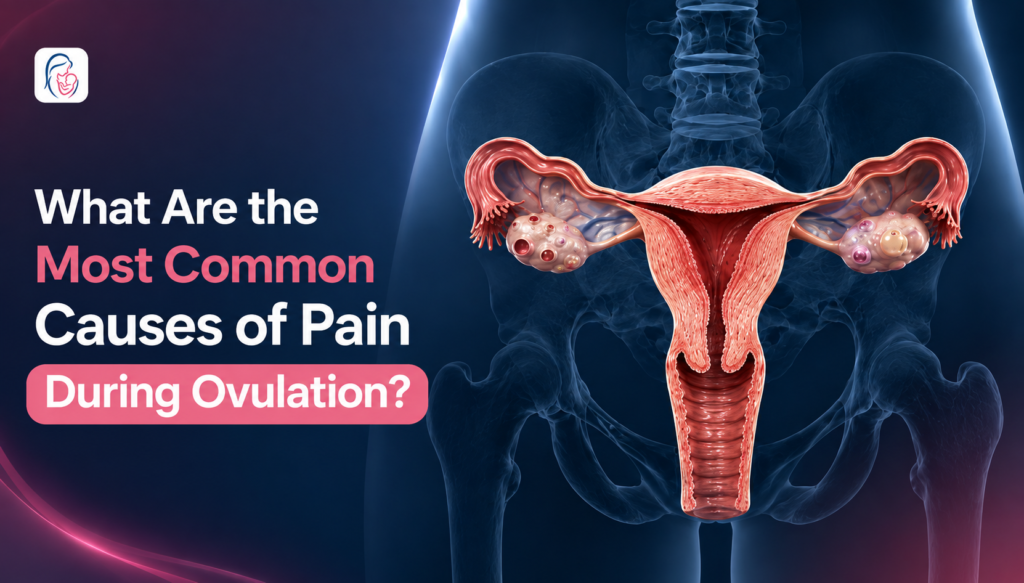
Some women notice pain or discomfort around the middle of their menstrual cycle. It may feel like a mild cramp on one side of the lower abdomen and can last for a few hours or sometimes longer. This type of pain is commonly known as ovulation pain or mittelschmerz. For some women, it happens almost every month, while others may experience it only occasionally. In many cases, ovulation pain is harmless and goes away on its own. But not every type of pelvic pain is related to ovulation. Understanding the possible causes can help you know when the pain is normal and when it needs medical attention. If your pain is severe, keeps coming back, or feels different from your usual symptoms, consulting the Best Gynecologist in Indore can help identify the actual cause. What Is Ovulation Pain? Ovulation is the time when an ovary releases an egg. It usually happens around the middle of the menstrual cycle, although the exact timing can vary from woman to woman. Some women feel a sharp, pulling, aching, or cramping sensation during this time. The pain may occur on the right or left side of the lower abdomen, depending on which ovary is releasing the egg. The pain may last for a short period or continue for several hours. Mild ovulation pain without other concerning symptoms is generally not a reason to worry. However, if the pain is new, severe, or persistent, the Best Gynecologist in Indore can help determine whether something other than normal ovulation may be responsible. What Causes Pain During Ovulation? 1. Release of the Egg One of the most common explanations for ovulation pain is the release of the egg from the ovary. As the ovarian follicle grows and eventually opens to release the egg, some women may feel temporary discomfort. The fluid or small amount of blood released from the follicle can also irritate the surrounding tissues and contribute to pain. This is one reason why ovulation pain may occur suddenly and usually settles without treatment. 2. Growth of the Ovarian Follicle Before ovulation, an egg develops inside a fluid-filled structure called a follicle. As the follicle grows, it stretches the surface of the ovary. This stretching may cause a mild ache or pressure in some women. The discomfort may be felt on one side of the lower abdomen and can change from one month to another. 3. Normal Pelvic Sensitivity Every woman’s body responds differently to ovulation. Some women are simply more sensitive to the changes taking place around the ovary and pelvis. A sensation that feels noticeable to one woman may not be felt at all by another. Therefore, experiencing mild pain during ovulation does not automatically mean that something is wrong. How Does Normal Ovulation Pain Feel? Ovulation pain can feel different from woman to woman. It may be a dull ache, mild cramping, pressure, or a sudden sharp sensation. Some women notice it on one side of the lower abdomen, while others may feel a more general pelvic discomfort. The pain often appears around the middle of the menstrual cycle and may disappear on its own. If your pain follows a similar pattern every month and remains mild, it may be related to ovulation. Still, recurring or worsening pain should be discussed with the Best Gynecologist in Indore to rule out other causes. When Can Ovulation Pain Be a Sign of Something Else? Not all mid-cycle pelvic pain is caused by ovulation. Several gynecological conditions can cause symptoms that may feel similar. Ovarian Cysts Ovarian cysts are fluid-filled sacs that can develop on or inside an ovary. Many cysts are harmless and disappear on their own, but some can cause pelvic pain. A larger cyst, a ruptured cyst, or a cyst that causes twisting of the ovary can lead to more significant symptoms. Endometriosis Endometriosis occurs when tissue similar to the lining of the uterus grows outside the uterus. It can cause pelvic pain, painful periods, pain during sex, and sometimes fertility problems. Some women may notice that their pelvic pain becomes more noticeable around ovulation or menstruation. Pelvic Infection Certain infections affecting the reproductive organs can cause lower abdominal or pelvic pain. The pain may occur along with unusual vaginal discharge, fever, pain during sex, or burning while urinating. These symptoms should not be ignored and require medical evaluation. Appendicitis or Other Abdominal Problems Pain on the right side of the lower abdomen is not always related to ovulation. Conditions such as appendicitis or problems involving the urinary or digestive system can also cause abdominal pain. This is why the location and severity of pain alone cannot confirm its cause. Symptoms That Need Medical Attention Mild ovulation discomfort is usually manageable, but some symptoms should prompt you to seek medical advice. If you experience these symptoms, do not assume that they are simply ovulation pain. Prompt medical evaluation is important. How Is Ovulation Pain Diagnosed? There is no single test specifically used to diagnose normal ovulation pain. Your doctor may first ask about your menstrual cycle, the timing of the pain, its location, duration, and other symptoms. A physical examination may be recommended depending on your symptoms. If another condition is suspected, your doctor may suggest investigations such as a pregnancy test, blood tests, urine tests, or an ultrasound. The Best Gynecologist in Indore can assess your symptoms and decide which investigations, if any, are appropriate for you. How Can Ovulation Pain Be Managed? If the pain is mild and occurs around ovulation, simple measures may provide relief. Rest, adequate hydration, and a warm compress on the lower abdomen may help reduce discomfort. Some women may need pain-relieving medicines, but it is better to discuss regular or repeated medicine use with a healthcare professional. If another condition is responsible for the pain, treatment will depend on the diagnosis. When Should You Visit a Gynecologist? You do not need to panic about every mild cramp around ovulation. However, you should consider visiting a
Hormonal Imbalance in Women: Symptoms You Should Never Ignore
Hormones play an essential role in a woman’s overall health. They regulate the menstrual cycle, ovulation, fertility, metabolism, mood, sleep, and many other important functions. When hormone levels become too high or too low, it can lead to several physical and emotional changes. Hormonal Imbalance in Women: Symptoms You Should Never Ignore consult Best Gynecologist in Indore Hormonal fluctuations are normal during puberty, pregnancy, after childbirth, perimenopause, and menopause. However, persistent symptoms such as irregular periods, unexplained weight changes, acne, excessive hair growth, fatigue, or mood changes may indicate an underlying health concern. If you notice ongoing changes in your body, consulting the Best Gynecologist in Indore can help identify the possible cause and determine whether medical evaluation or treatment is required. What Is Hormonal Imbalance in Women? Hormonal imbalance occurs when the body produces too much or too little of a particular hormone. Estrogen, progesterone, thyroid hormones, insulin, and other hormones are involved in different aspects of women’s health. hormonal imbalance symptoms, causes, diagnosis, and treatment in women, plus when to consult the Best Gynecologist in Indore for expert care. Hormone levels naturally change throughout the menstrual cycle and at different stages of life. Therefore, every hormonal fluctuation does not necessarily mean there is a medical problem. However, symptoms that are persistent, unusual, or affecting your daily life should not be ignored. A consultation with the Best Gynecologist in Indore can help distinguish between normal hormonal changes and symptoms that may require further investigation. Common Causes of Hormonal Imbalance Hormonal changes can occur for several reasons. Some common causes include: Because the cause can vary from person to person, it is better to avoid self-diagnosis and seek professional medical advice. 10 Symptoms of Hormonal Imbalance You Should Never Ignore 1. Irregular or Missed Periods One of the most noticeable signs of hormonal changes is a change in the menstrual cycle. Your periods may become irregular, unusually heavy, very light, or may stop for several months. Occasional changes can occur because of stress or lifestyle factors, but persistent menstrual irregularities may be associated with PCOS, thyroid disorders, pregnancy, or other conditions. If your periods have changed significantly, a consultation with the Best Gynecologist in Indore can help determine the possible cause. 2. Unexplained Weight Gain or Weight Loss Unexpected changes in body weight can sometimes be associated with hormonal or metabolic problems. For example, thyroid disorders may affect metabolism, while PCOS and insulin resistance can make weight management more difficult for some women. If your weight changes without a clear reason despite maintaining similar eating and activity habits, discuss the changes with a healthcare professional. 3. Persistent Acne Hormonal fluctuations can increase oil production and contribute to acne. Adult acne, especially when it develops suddenly or is accompanied by irregular periods or increased facial hair, may sometimes be linked with hormonal changes. hormonal imbalance symptoms, causes, diagnosis, and treatment in women, plus when to consult the Best Gynecologist in Indore for expert care. Although acne can have several causes, persistent symptoms should be evaluated rather than treated only with over-the-counter products. 4. Excessive Hair Growth or Hair Loss Hormonal changes can affect hair growth patterns. Some women may notice increased facial or body hair, while others may experience thinning scalp hair or excessive hair fall. These changes can sometimes occur with PCOS, thyroid problems, nutritional deficiencies, stress, or other conditions. A doctor can help determine whether further evaluation is appropriate. 5. Persistent Fatigue Feeling tired occasionally is normal, but constant fatigue despite adequate sleep should not always be dismissed as stress or a busy lifestyle. Thyroid disorders, anemia, nutritional problems, sleep disturbances, and several other health conditions can contribute to fatigue. If tiredness continues for weeks or affects your daily activities, consider seeking medical advice. 6. Mood Changes and Irritability Hormonal fluctuations can influence mood, but emotional changes can also result from stress, lack of sleep, lifestyle factors, or other health concerns. Persistent irritability, anxiety, low mood, or significant emotional changes should be discussed with a healthcare professional instead of automatically assuming that hormones are the only cause. The Best Gynecologist in Indore can evaluate your symptoms and suggest appropriate next steps when hormonal or reproductive factors may be involved. 7. Sleep Problems Hormonal changes can affect sleep quality. Some women experience difficulty falling asleep, frequent waking, or disrupted sleep during perimenopause and menopause. However, sleep problems can also be caused by stress, lifestyle, medications, or other medical conditions. If poor sleep persists, it is worth discussing with your doctor. 8. Changes in Libido A sudden or persistent change in sexual desire can have multiple causes, including hormonal fluctuations, stress, medications, relationship factors, vaginal dryness, menopause, or certain medical conditions. There is no need to feel embarrassed about discussing these concerns. A gynecologist can help identify possible causes and appropriate management. 9. Difficulty Getting Pregnant Hormones play an important role in ovulation and reproductive health. Hormonal conditions that affect ovulation may sometimes make conception more difficult. If you have been trying to conceive and have irregular periods, PCOS symptoms, or other fertility concerns, an evaluation by the Best Gynecologist in Indore can help determine whether fertility assessment or treatment may be appropriate. 10. Hot Flashes and Excessive Sweating Hot flashes and night sweats are commonly associated with hormonal changes during perimenopause and menopause. While they can be a normal part of this life stage, frequent or severe symptoms that interfere with sleep or daily activities should be discussed with a healthcare professional. How Is Hormonal Imbalance Diagnosed? There is no single test that can identify every type of hormonal imbalance. Diagnosis usually begins with a detailed discussion about your symptoms, menstrual cycle, lifestyle, medications, medical history, and reproductive health. Depending on your symptoms, your doctor may recommend blood tests or other investigations. These may include thyroid testing, blood sugar evaluation, hormone-related tests, or ultrasound when clinically appropriate. The Best Gynecologist in Indore can recommend investigations based on your individual symptoms rather than relying on unnecessary tests. Treatment for Hormonal
Why Is Puberty Starting Earlier for So Many Girls Now?
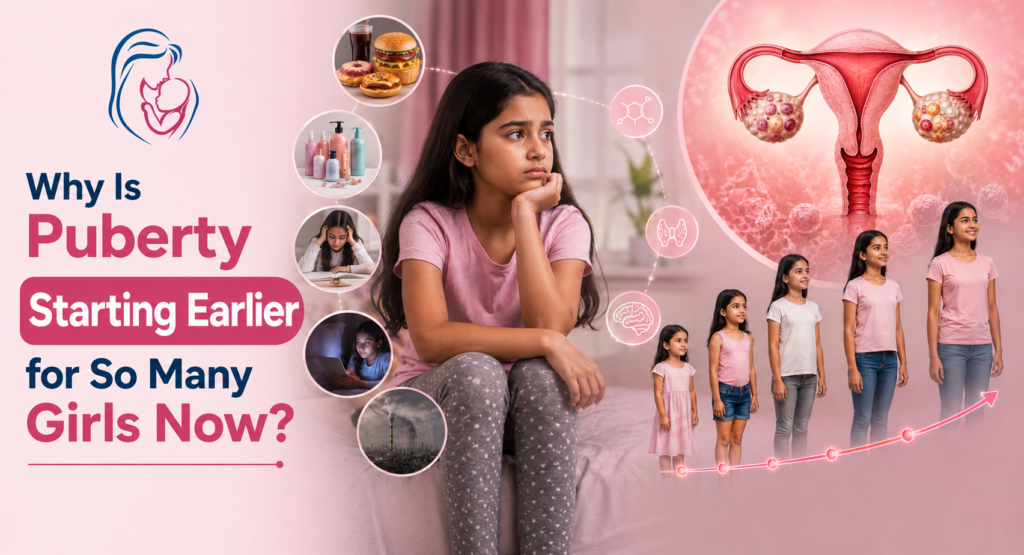
Puberty is a normal stage of childhood when a girl’s body begins changing into an adult body. Breast development, growth of pubic or underarm hair, changes in body shape, and eventually menstruation are all part of this process. Learn why puberty may be starting earlier in girls, common signs of early puberty, possible causes, and when parents should consult the Best Gynecologist in Indore. However, many parents are noticing these changes happening earlier than they expected. Puberty can naturally vary from one child to another, but puberty that begins unusually early may sometimes require medical evaluation. Understanding why puberty may be starting earlier, what signs parents should watch for, and when to seek medical advice can help ensure a child’s healthy development. If you have concerns about your daughter’s growth or development, consulting the Best Gynecologist in Indore can help provide appropriate guidance. What Is Considered Early Puberty? Puberty normally begins within a broad age range. In girls, puberty generally starts between around 8 and 13 years of age. When clear signs of puberty begin before age 8, doctors may consider it precocious puberty and recommend evaluation. Not every early physical change means a child has a medical disorder. Some children simply develop earlier than their peers. However, an unusually early or rapidly progressing puberty should be assessed by a healthcare professional. Why Might Girls Be Starting Puberty Earlier? There is no single explanation for earlier puberty. Researchers believe that several factors may contribute to changes in the timing of puberty. 1. Changes in Body Weight and Nutrition Body composition can influence the timing of puberty. Increasing rates of childhood overweight and obesity have been associated with earlier pubertal development in girls. Fat tissue is involved in hormone regulation, and changes in body composition may influence the signals that trigger puberty. Maintaining a balanced diet and encouraging healthy physical activity can support overall growth and development. 2. Genetics and Family History Genetics also play an important role. If a mother or close female relative experienced puberty at a younger age, a girl may naturally tend to develop earlier as well. Family history is therefore an important part of evaluating early puberty. 3. Exposure to Certain Hormones Children can sometimes be exposed to external sources of hormones or hormone-like substances. Certain medications, creams, or products containing hormones may potentially affect development. Parents should keep medications safely stored and avoid giving children hormonal medicines or supplements without medical advice. 4. Environmental Factors Researchers are studying whether exposure to certain environmental chemicals that can interact with hormone pathways may influence puberty timing. However, the relationship between environmental exposures and early puberty is complex, and not every exposure has been proven to cause earlier puberty. 5. Stress and Lifestyle Factors Childhood stress, sleep patterns, physical activity, and overall lifestyle may also influence development. These factors do not necessarily cause early puberty on their own, but they can be part of a child’s overall health and development. Creating a supportive environment, encouraging adequate sleep, and maintaining healthy daily routines are important for children. Signs of Puberty Parents Should Watch For The first signs of puberty in girls can include: The sequence and timing can vary between girls. Some changes may appear gradually, while others may progress more quickly. If your daughter shows several signs of puberty before age 8, it is advisable to discuss the changes with a healthcare professional. The Best Gynecologist in Indore can help parents understand whether the development is within the expected range or needs further assessment. Does Early Puberty Mean Something Is Wrong? Not necessarily. Learn why puberty may be starting earlier in girls, common signs of early puberty, possible causes, and when parents should consult the Best Gynecologist in Indore. Some girls simply experience normal puberty earlier than others. However, early puberty can occasionally be associated with underlying conditions affecting hormone production. In some cases, doctors may investigate the brain, ovaries, adrenal glands, thyroid, or other parts of the endocrine system depending on the child’s symptoms. The purpose of evaluation is not to create unnecessary worry but to understand why puberty is occurring early and whether any treatment or monitoring is needed. Why Medical Evaluation Can Be Important Early puberty can result in rapid growth initially, but children with significantly early puberty may stop growing earlier than expected because their growth plates can mature sooner. Early physical development can also create emotional or social challenges. A child may feel different from classmates or find it difficult to understand the changes happening to her body. A consultation with the Best Gynecologist in Indore can help parents understand the child’s development and determine whether referral for additional pediatric or endocrine evaluation is appropriate. What Happens During an Evaluation? A doctor will usually begin by asking about the child’s growth pattern, symptoms, family history, nutrition, medications, and the timing of physical changes. Learn why puberty may be starting earlier in girls, common signs of early puberty, possible causes, and when parents should consult the Best Gynecologist in Indore. Depending on the situation, the doctor may recommend monitoring growth and puberty progression. Additional tests may sometimes include blood tests to evaluate hormone levels, a bone-age X-ray, or other investigations when clinically indicated. Not every child with early breast development or body hair needs extensive testing. Evaluation should be individualized according to the child’s age, symptoms, and rate of progression. How Can Parents Support a Girl Going Through Early Puberty? Parents can make this transition easier by providing age-appropriate information and creating an environment where the child feels comfortable asking questions. Learn why puberty may be starting earlier in girls, common signs of early puberty, possible causes, and when parents should consult the Best Gynecologist in Indore. Explain that body changes are a normal part of growing up and that every child develops at a different pace. Teach proper hygiene, including bathing regularly and using appropriate menstrual products once periods begin. A balanced diet, regular physical activity, adequate sleep, and limited consumption of
