PCOS (Polycystic Ovary Syndrome) has become one of the most common hormonal disorders affecting women today. Many women with PCOS experience symptoms such as irregular periods, weight gain, acne, or excessive hair growth. However, when it comes to planning a pregnancy, PCOS can sometimes create complications that make conception more difficult.
Many couples wonder why pregnancy is taking longer than expected. In such situations, consulting an experienced gynecologist is very important. Women dealing with PCOS often benefit from medical guidance, and seeking advice from the best gynae in indore can help in understanding fertility health and planning a safe pregnancy.
In this blog, we will understand why PCOS can cause problems in pregnancy, what symptoms are associated with it, and how women can manage this condition effectively.
What Is PCOS?
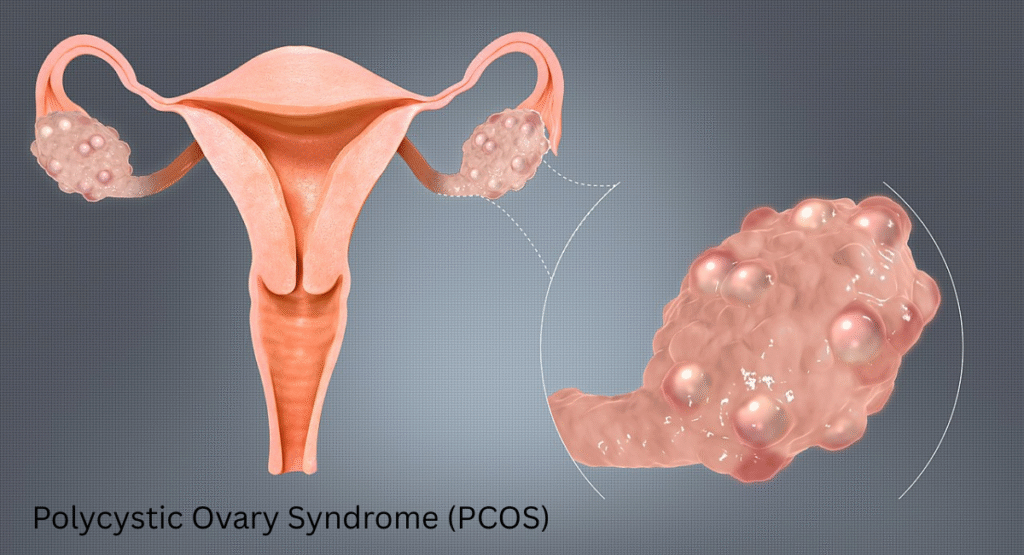
PCOS is a hormonal condition in which the ovaries do not function normally. In a typical menstrual cycle, one mature egg is released from the ovary every month through a process called ovulation. However, in women with PCOS, ovulation may become irregular or may not occur at all due to hormonal imbalance.
In this condition, small cysts may develop in the ovaries, and the levels of male hormones (androgens) may increase. These hormonal changes directly affect fertility and the ability to conceive.
Women who experience irregular periods, acne, or unusual hair growth should consider medical evaluation. Consulting the best gynae in indore can help diagnose PCOS early and begin proper treatment.
Why Does PCOS Cause Problems in Pregnancy?
PCOS can affect pregnancy in several ways. Understanding these factors can help women take the right steps toward improving fertility.
1. Irregular Ovulation
One of the most common issues in PCOS is irregular ovulation. When the ovary does not release an egg regularly, fertilization cannot occur easily.
Without ovulation, pregnancy becomes difficult. This is one of the main reasons women with PCOS may face challenges while trying to conceive.
An experienced doctor, such as the best gynae in indore, can monitor ovulation and recommend treatments that help improve the chances of conception.
2. Hormonal Imbalance
PCOS causes an imbalance of hormones such as estrogen, progesterone, and androgens. This imbalance can interfere with egg development and ovulation.
Because of these hormonal disturbances, eggs may not mature properly, which reduces the chances of fertilization. Hormonal imbalance can also affect the uterine lining, making implantation of the embryo more difficult.
For proper hormonal evaluation and treatment, consulting the best gynae in indore can be helpful for women planning pregnancy.
3. Insulin Resistance
Many women with PCOS also experience insulin resistance. This means the body cannot effectively use insulin, which leads to higher insulin levels in the blood.
High insulin levels stimulate the ovaries to produce more male hormones. These hormones further disrupt ovulation and affect fertility.
Managing insulin resistance through lifestyle changes, diet, and medical treatment can significantly improve reproductive health.
4. Irregular Menstrual Cycles
Women with PCOS often have irregular menstrual cycles. Periods may be delayed, skipped, or occur only a few times a year.
When menstrual cycles are irregular, it becomes difficult to predict ovulation. This makes pregnancy planning more complicated for couples.
In such cases, consulting the best gynae in indore can help identify ovulation patterns and guide women toward appropriate fertility treatments.
5. Higher Risk of Pregnancy Complications
Even if a woman with PCOS conceives successfully, there may be a higher risk of certain pregnancy complications, such as:
- Gestational diabetes
- High blood pressure during pregnancy
- Miscarriage risk
- Preterm delivery
However, with proper medical supervision and regular prenatal care, many women with PCOS have healthy pregnancies and deliveries.
Common Symptoms of PCOS
PCOS symptoms can vary from woman to woman, but some common signs include:
- Irregular or missed periods
- Weight gain
- Acne or oily skin
- Excess facial or body hair
- Hair thinning on the scalp
- Difficulty getting pregnant
If multiple symptoms appear, it is important to consult a doctor for proper diagnosis. Early medical guidance from the best gynae in indore can help manage symptoms and protect fertility.
How to Improve Pregnancy Chances with PCOS
Having PCOS does not mean pregnancy is impossible. With proper care and treatment, many women with PCOS can conceive successfully.
Healthy Lifestyle
Maintaining a healthy weight is one of the most important steps in managing PCOS. A balanced diet and regular exercise help regulate hormones and improve ovulation.
Stress Management
Stress can worsen hormonal imbalance. Practices like yoga, meditation, and proper sleep can support overall hormonal health.
Medical Treatment
Doctors may recommend medications to regulate periods, improve ovulation, or support fertility. In some cases, fertility treatments may also be suggested.
Seeking timely advice from the best gynae in indore ensures that women receive the right treatment plan based on their individual health condition.
Conclusion
PCOS is a common hormonal disorder that can affect fertility and pregnancy planning. Irregular ovulation, hormonal imbalance, insulin resistance, and irregular menstrual cycles are some of the main reasons why PCOS can create difficulties in conceiving.
However, the condition can be managed effectively with early diagnosis, healthy lifestyle changes, and proper medical care. Many women with PCOS go on to have healthy pregnancies with the right support and treatment.
If you are planning a pregnancy and experiencing symptoms of PCOS, it is important not to delay medical consultation. Guidance from the best gynae in indore can help you understand your condition, improve fertility, and move confidently toward a healthy pregnancy.