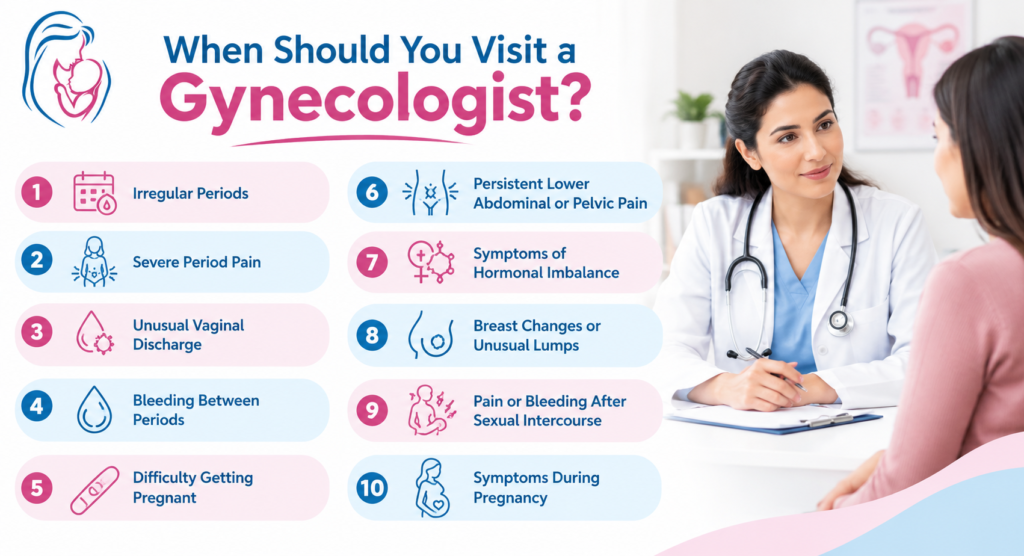
Hormones play an important role in women’s health. They help regulate menstrual cycles, fertility, mood, sleep, metabolism, and many other body functions. When hormone levels change or become imbalanced, women may notice changes in their periods, skin, weight, energy levels, and emotional well-being.
Some hormonal changes are a normal part of puberty, pregnancy, breastfeeding, and menopause. However, persistent or unusual symptoms should not be ignored. Conditions such as polycystic ovary syndrome (PCOS), thyroid disorders, and other health problems can affect hormone levels and may require medical attention.
Knowing when to consult a gynecologist can help you understand these changes and receive appropriate care. If you are experiencing ongoing menstrual or reproductive health concerns, consulting the Best Gynecologist in Indore can help you identify possible causes and discuss suitable treatment options.
Let’s explore seven early signs of hormonal imbalance that every woman should know and understand when it may be time to seek medical advice.
What Is Hormonal Imbalance in Women?
Hormones are chemical messengers produced by glands in the body. They regulate several essential functions, including menstruation, ovulation, metabolism, mood, and reproductive health.
Estrogen, progesterone, thyroid hormones, insulin, and other hormones work together to maintain normal body functions. When their levels are too high or too low, or when the body does not respond to them properly, different symptoms may develop.
Hormonal changes can happen for several reasons, including stress, changes in body weight, pregnancy, PCOS, thyroid conditions, perimenopause, and certain medications.
Not every symptom indicates a hormonal disorder. However, if symptoms continue, become severe, or affect your daily life, a consultation with the Best Gynecologist in Indore can help determine whether further evaluation is needed.
7 Early Signs of Hormonal Imbalance Every Woman Should Know
1. Irregular or Missed Periods
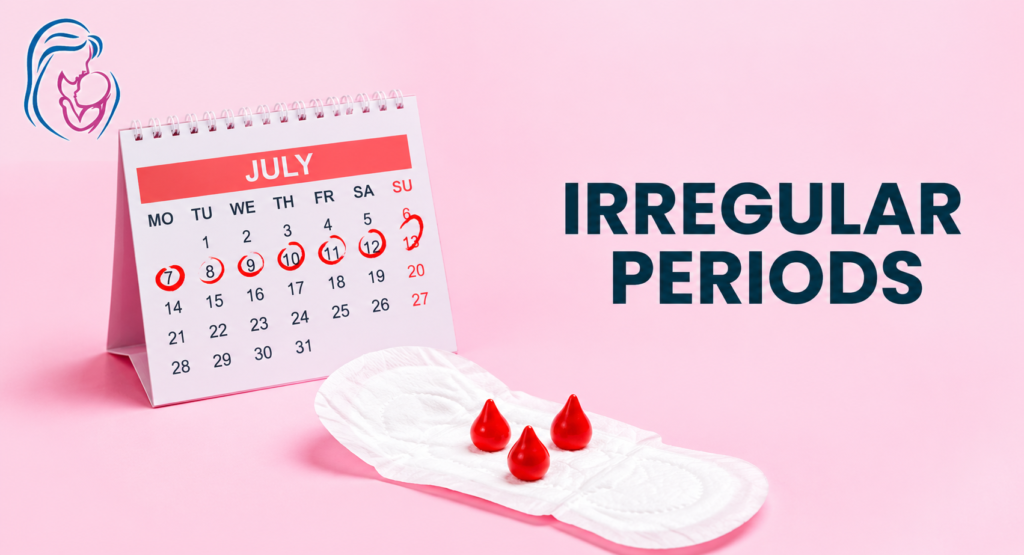
One of the most noticeable signs of a possible hormonal problem is a change in your menstrual cycle.
You may experience periods that arrive earlier or later than expected, unusually long gaps between periods, or missed periods. Some women may also notice changes in menstrual flow.
Irregular periods can be associated with PCOS, thyroid disorders, significant weight changes, stress, pregnancy, and other conditions. Occasional variation can happen, but repeated changes deserve attention.
When should you visit a gynecologist?
Consult a gynecologist if your periods become consistently irregular, you miss periods without a clear explanation, or your menstrual pattern changes suddenly. If pregnancy is possible, consider taking a pregnancy test.
The Best Gynecologist in Indore can review your menstrual history, assess associated symptoms, and recommend appropriate tests when necessary.
2. Unexplained Weight Gain or Difficulty Losing Weight
Have you noticed changes in your weight despite maintaining similar eating and activity habits? Hormonal conditions may sometimes contribute to weight changes.
For example, an underactive thyroid can slow several body processes and may contribute to weight gain. Insulin resistance, which can occur in some women with PCOS, may also affect metabolic health.
However, weight changes can have many causes, including dietary habits, sleep, stress, medications, and changes in physical activity. Weight gain alone does not confirm a hormonal imbalance.

What should you do?
Avoid crash diets or taking unverified supplements to manage your weight. If weight changes occur alongside irregular periods, unusual tiredness, or increased facial hair, seek medical advice.
A gynecologist may recommend a thyroid assessment or other investigations depending on your symptoms and medical history.
3. Persistent Acne or Increased Facial Hair
Acne is common during adolescence, but persistent acne in adulthood may sometimes be associated with hormonal changes. Some women also notice increased hair growth on the chin, upper lip, chest, or abdomen.
These symptoms can occur when androgen levels are elevated or when the body responds more strongly to these hormones. PCOS is one possible cause, particularly when acne or excess hair growth occurs alongside irregular periods.
However, acne and facial hair can also develop for reasons unrelated to a hormonal disorder.
When should you seek help?
Consult a gynecologist if you experience persistent acne, new or increasing facial hair, or these symptoms together with menstrual irregularities.
The Best Gynecologist in Indore can evaluate your symptoms and determine whether testing for PCOS or another condition is appropriate.
Sudden development of severe acne or rapidly increasing facial hair, especially with a deeper voice or other unusual changes, requires prompt medical assessment.
4. Mood Swings, Anxiety, or Irritability
Hormonal fluctuations can influence mood and emotional well-being. Some women experience irritability, anxiety, low mood, or emotional sensitivity before their periods.
These symptoms may be associated with premenstrual syndrome (PMS), premenstrual dysphoric disorder (PMDD), perimenopause, or other health concerns. Stress, sleep problems, and mental health conditions can also contribute.
Occasional mood changes do not necessarily mean that your hormones are imbalanced. The timing, frequency, and severity of symptoms are important.
How can a gynecologist help?
If mood changes regularly interfere with your work, relationships, sleep, or daily routine, discuss them with a healthcare professional. Keeping a diary of your menstrual cycle and mood may help identify patterns.
A gynecologist can assess whether your symptoms appear related to your menstrual cycle and discuss suitable management options. If you experience severe depression or thoughts of self-harm, seek urgent professional support.
5. Excessive Hair Fall or Thinning Hair
Hair fall can be distressing, especially when you notice more hair on your pillow, comb, or shower floor.
Changes in thyroid function, iron deficiency, stress, nutritional problems, and certain hormonal conditions can contribute to hair thinning. Some women with PCOS may also experience thinning hair on the scalp.
Hair loss has several possible causes, so it is important not to assume that every case is hormonal.
What should you look for?
Pay attention to whether hair loss begins suddenly, continues for several weeks, or occurs alongside irregular periods, fatigue, or changes in facial hair.
A healthcare professional can review your symptoms, nutrition, medications, and medical history before recommending appropriate investigations.
If you are concerned about hair loss along with menstrual or reproductive health changes, consulting the Best Gynecologist in Indore may help you understand whether a hormonal condition needs evaluation.
6. Constant Fatigue and Low Energy
Feeling tired after a busy day is normal. However, persistent fatigue that does not improve with adequate rest may need medical attention.
Thyroid disorders, anemia, sleep disturbances, nutritional deficiencies, and several other health conditions can cause low energy. Hormonal changes may also contribute in some situations.
You may notice difficulty concentrating, reduced motivation, unusual sleepiness, or feeling exhausted despite getting enough sleep.
When should you visit a doctor?
If fatigue continues, affects your daily activities, or occurs alongside unexplained weight changes, menstrual irregularities, or feeling unusually cold, arrange a medical consultation.
Your doctor may recommend blood tests based on your symptoms. These could include thyroid function or tests for anemia when appropriate.
The Best Gynecologist in Indore can help assess fatigue when it occurs with menstrual or reproductive symptoms and guide you toward the appropriate care.
7. Changes in Sleep, Hot Flashes, or Night Sweats
Difficulty sleeping, sudden feelings of heat, night sweats, and changes in menstrual cycles may occur during perimenopause, the transition period before menopause.
During this stage, estrogen levels fluctuate, and menstrual cycles may become less predictable. Some women also experience mood changes, vaginal dryness, or reduced sexual comfort.
However, night sweats and sleep disturbances can also result from medications, stress, infections, thyroid conditions, and other causes.
When should you consult a gynecologist?
Seek advice if hot flashes, night sweats, or sleep problems are persistent, severe, or affecting your quality of life. A gynecologist can review your age, menstrual history, and symptoms to help determine the likely cause.
If you experience vaginal bleeding after menopause, consult a healthcare professional promptly rather than assuming it is a normal hormonal change.
When Should You Visit the Best Gynecologist in Indore?
You do not need to wait until symptoms become severe before seeking medical advice. Early evaluation can help identify the cause of persistent symptoms and prevent delays in treatment when a medical condition is present.
Consider booking a consultation if you experience:
- Repeatedly irregular or missed periods.
- Very heavy menstrual bleeding or severe period pain.
- Persistent acne or increased facial hair.
- Unexplained weight changes with other symptoms.
- Ongoing fatigue or unusual hair loss.
- Hot flashes or sleep disturbances affecting daily life.
- Difficulty conceiving or concerns about reproductive health.
If you experience very heavy bleeding accompanied by dizziness or fainting, severe pelvic pain, or a possible pregnancy with pain or bleeding, seek urgent medical care.
Choosing the Best Gynecologist in Indore means looking for a qualified professional who listens to your concerns, reviews your medical history, explains investigations clearly, and recommends treatment based on your individual needs.
How Is Hormonal Imbalance Diagnosed?
There is no single test that identifies every type of hormonal imbalance. Diagnosis depends on your symptoms, age, menstrual history, medical background, and physical examination.
Your gynecologist may recommend selected investigations, such as:
- Blood tests: Thyroid function, prolactin, or other hormone tests when indicated.
- Blood sugar assessment: If insulin resistance or a metabolic condition is suspected.
- Pelvic ultrasound: When appropriate for evaluating certain reproductive health concerns.
- Pregnancy test: If your period is late and pregnancy is possible.
Not every woman needs all these tests. Some hormone levels also vary during the menstrual cycle, so the timing of testing may matter.
Avoid self-diagnosing based on online symptom lists or taking hormonal medicines without medical advice. A proper evaluation helps ensure that treatment addresses the underlying cause rather than just individual symptoms.
How Can You Support Your Hormonal Health?
Healthy daily habits can support overall well-being, although lifestyle changes cannot replace medical treatment when a hormonal disorder is present.
Try to maintain a balanced diet, include regular physical activity, follow a consistent sleep routine, and find practical ways to manage stress. Avoid extreme dieting and unprescribed hormonal supplements.
Track your menstrual dates and note any changes in bleeding, mood, skin, weight, sleep, or energy levels. This information can help your doctor understand your symptoms more clearly.
If you continue experiencing symptoms despite healthy habits, consult a healthcare professional. The Best Gynecologist in Indore can help you understand which symptoms require investigation and which treatment options may be suitable for your condition.
Conclusion
Hormonal changes can affect many aspects of women’s health, from menstrual cycles and skin to mood, weight, sleep, and energy levels. Irregular periods, persistent acne, increased facial hair, unusual hair loss, fatigue, and hot flashes are some signs that may require medical evaluation.
These symptoms do not always indicate a hormonal imbalance, but persistent or unusual changes should not be ignored. Understanding your body and seeking timely medical advice can help you receive the right care.
If you are experiencing ongoing menstrual or reproductive health concerns, consulting the Best Gynecologist in Indore can be a useful step toward understanding your symptoms and making informed decisions about your health.
Frequently Asked Questions (FAQs)
1. What are the early signs of hormonal imbalance in women?
Early signs may include irregular periods, persistent acne, increased facial hair, unexplained weight changes, hair thinning, mood changes, fatigue, and sleep disturbances. These symptoms can have other causes, so medical evaluation may be needed.
2. When should I visit a gynecologist for hormonal imbalance?
Visit a gynecologist if symptoms persist, your periods become repeatedly irregular, you experience very heavy bleeding, or hormonal changes affect your daily life or fertility. Seek urgent care for severe pelvic pain or heavy bleeding with dizziness.
3. Can hormonal imbalance cause irregular periods?
Yes. Hormonal conditions such as PCOS and thyroid disorders can affect menstrual cycles. Stress, significant weight changes, pregnancy, and other factors can also cause irregular periods. A medical assessment can help identify the cause.
4. How is hormonal imbalance treated?
Treatment depends on the underlying cause, symptoms, age, and reproductive goals. It may involve lifestyle changes, medication, or management of an underlying condition. Not every woman requires hormone medication.
5. How can I find the Best Gynecologist in Indore for hormonal problems?
Look for a qualified gynecologist with experience in menstrual disorders and reproductive health. Choose someone who reviews your symptoms carefully, explains tests and treatment options, and provides individualized medical guidance.